
Hammock Camping Basics (Beginner’s Guide)
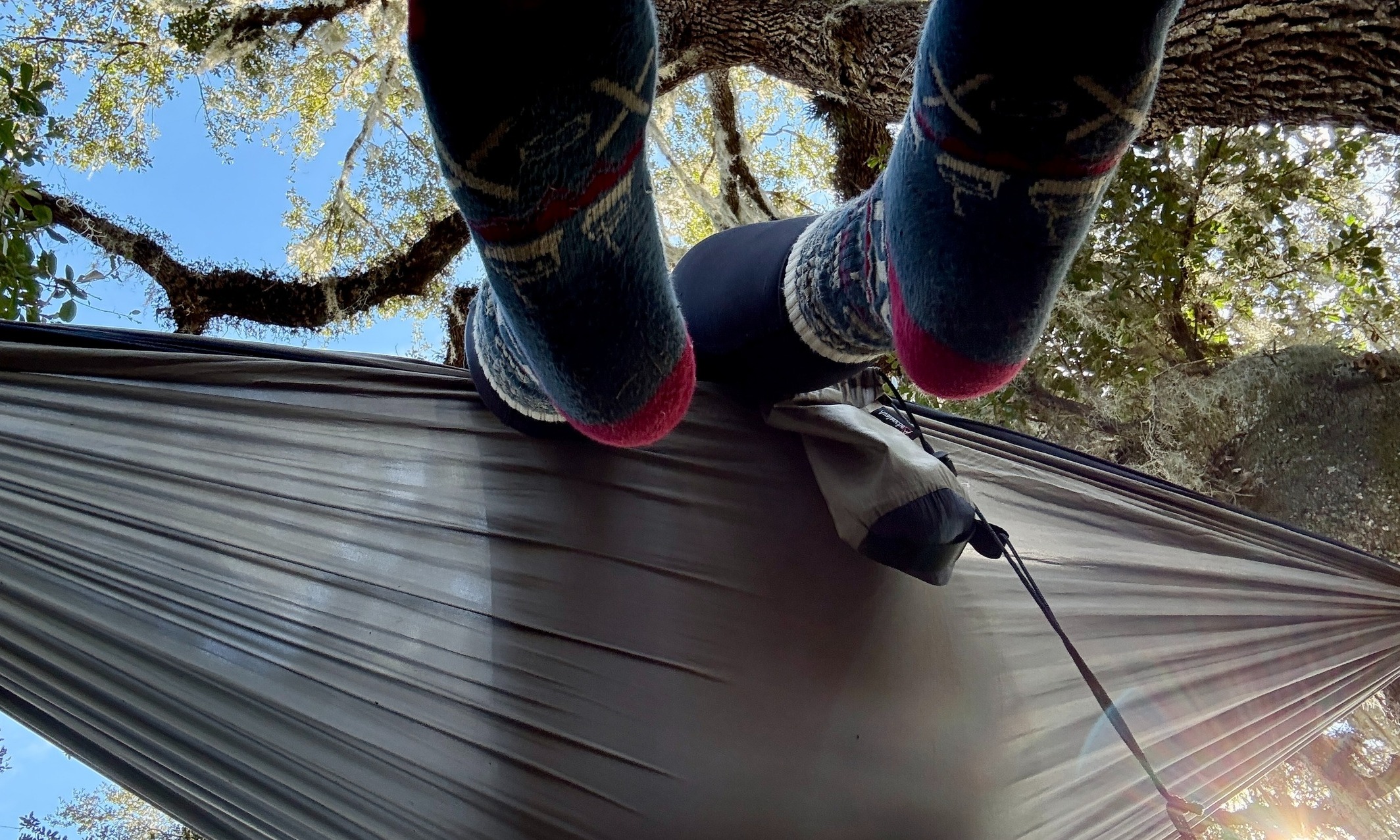
Hammock Camping Basics: Your Ultimate Guide
Master the Essentials of Hammock Camping for Your Next Outdoor Adventure!
By Michael Rittenhouse
Beginner Hammock Camping: Why I Started
Hello! I'm Michael Rittenhouse, and I've been exploring hammock camping since around 2010. My journey started in central Florida while searching for compact, lightweight gear for bikepacking trips. My very first setup was a GrandTrunk Nano7 hammock , paired with a second-hand Hennessy tarp , DIY tree straps, a homemade bug net, and a DIY ridgeline. Despite its patchwork nature, that rig proved how versatile and comfortable hammock camping could be.
Hammock camping has since taken the outdoor world by storm, offering a lightweight, versatile alternative to traditional tent camping. Whether you're new to the backcountry or a seasoned trekker, learning the hammock camping basics can transform the way you experience the outdoors. In this guide, we'll cover everything from essential gear and setup strategies to eco-friendly practices—helping you hang your hammock with confidence on your very next adventure.
What You'll Gain From Hammock Camping: Hammock camping elevates you—literally—off the ground, improving comfort and minimizing environmental impact. For anyone curious about beginner hammock camping , this method offers a fun and rewarding way to connect with nature.
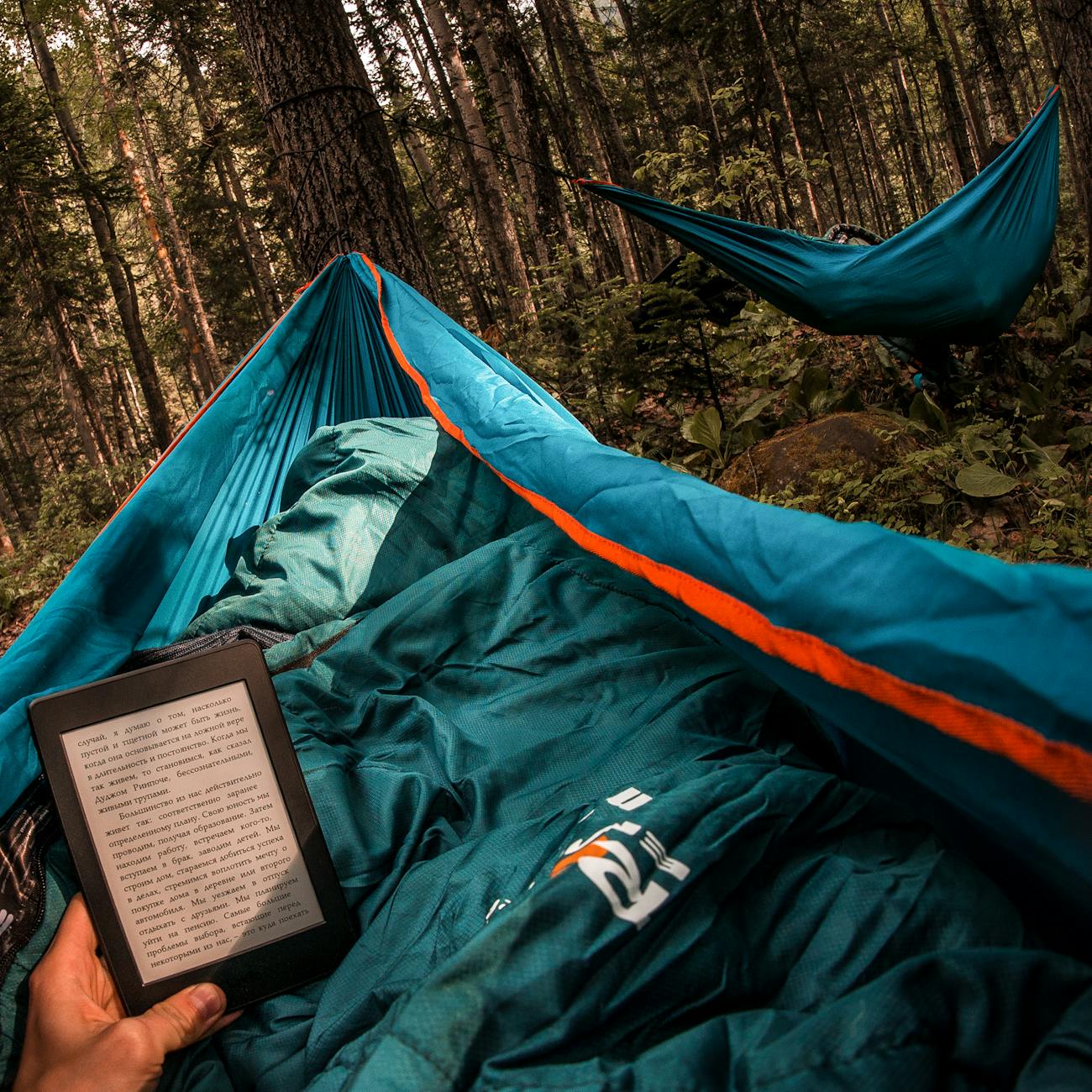
Why Choose Hammock Camping?
As someone who started hammock camping while bikepacking in Florida’s humid, bug-heavy climate, I discovered a few key reasons why this method has an edge:
• Lightweight & Portable: Most hammocks fold down smaller than a standard loaf of bread, making them ideal for backpackers and bikepackers alike.
• Versatility: No flat ground needed—just find two sturdy trees or anchors, and you’re good to go.
• Comfort: Many campers, myself included, claim to sleep better while gently swaying above the ground.
• Minimal Environmental Impact: With proper tree-safe straps, hammocks can leave a smaller of a footprint than tents.
If you’re debating whether a hammock is truly the way to go, check out our Hammock vs. Tent Camping: Pros and Cons to compare weight, cost, setup, and overall comfort.
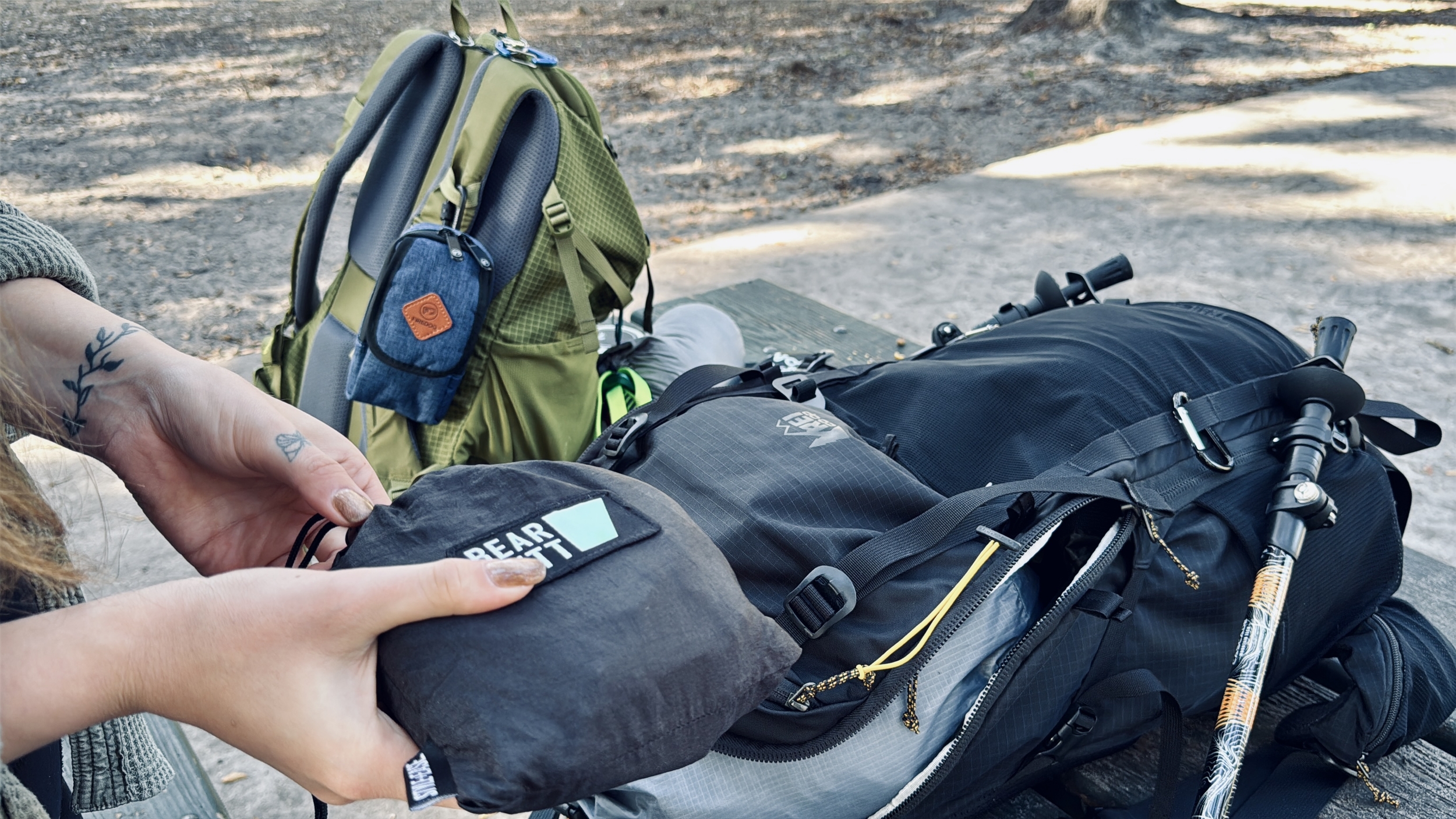
Essential Gear
Before you sling your hammock between two pines, it’s crucial to have the right equipment. Here’s what you’ll need:
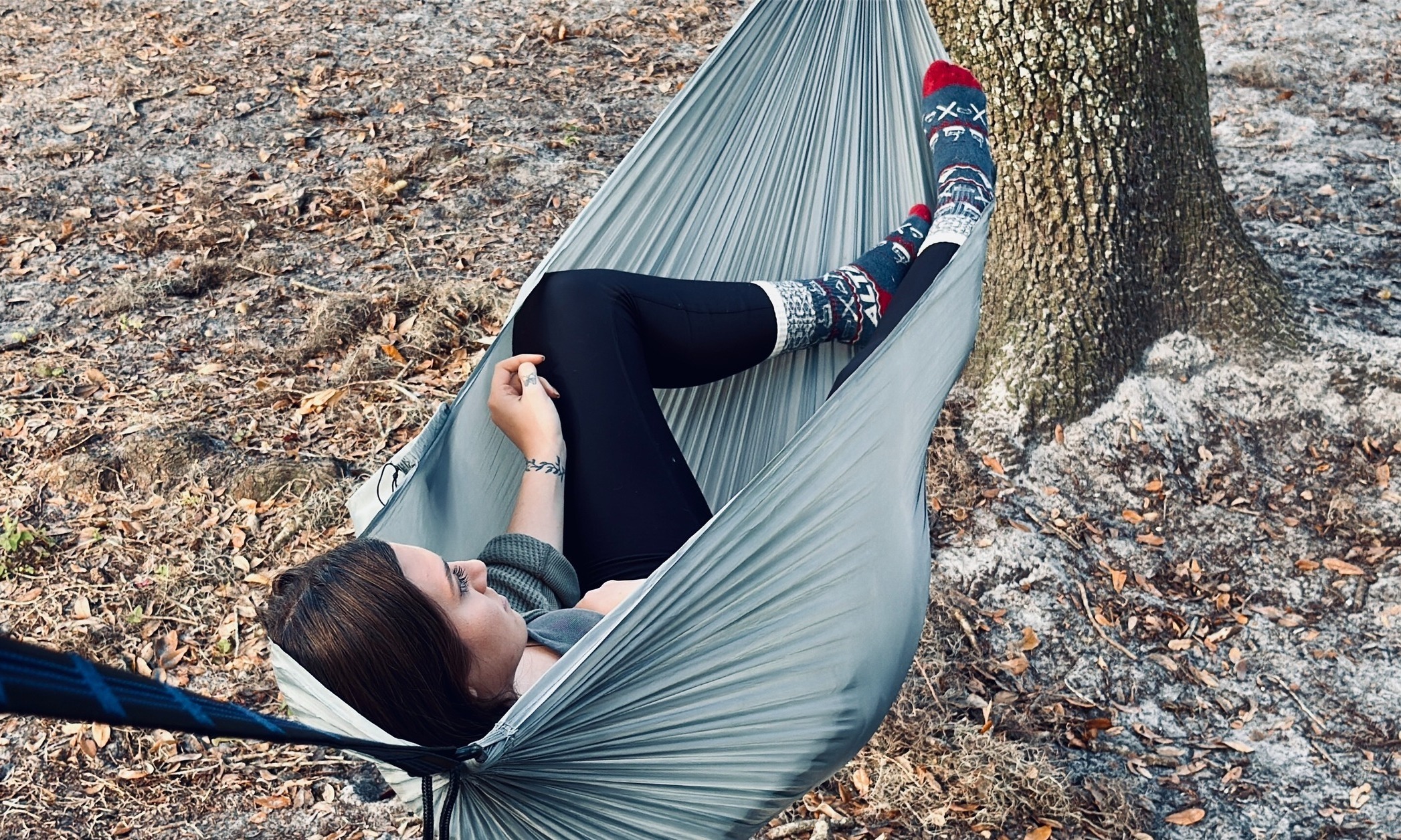
The Hammock
Choosing the perfect hammock can be a game-changer. Look for features like:
• Material: Ripstop nylon or polyester for durability and breathability.
• Weight Capacity: Aim for a hammock rated 50–100 lbs above your own weight for a safety margin.
• Size: Single or double? Double hammocks offer more space, even if you're solo.
For an in-depth look at standout brands and models, see our Best Hammocks for Camping: Top Picks for 2025. My earliest favorite was the GrandTrunk Nano7 , which I still use and have fond memories of today.
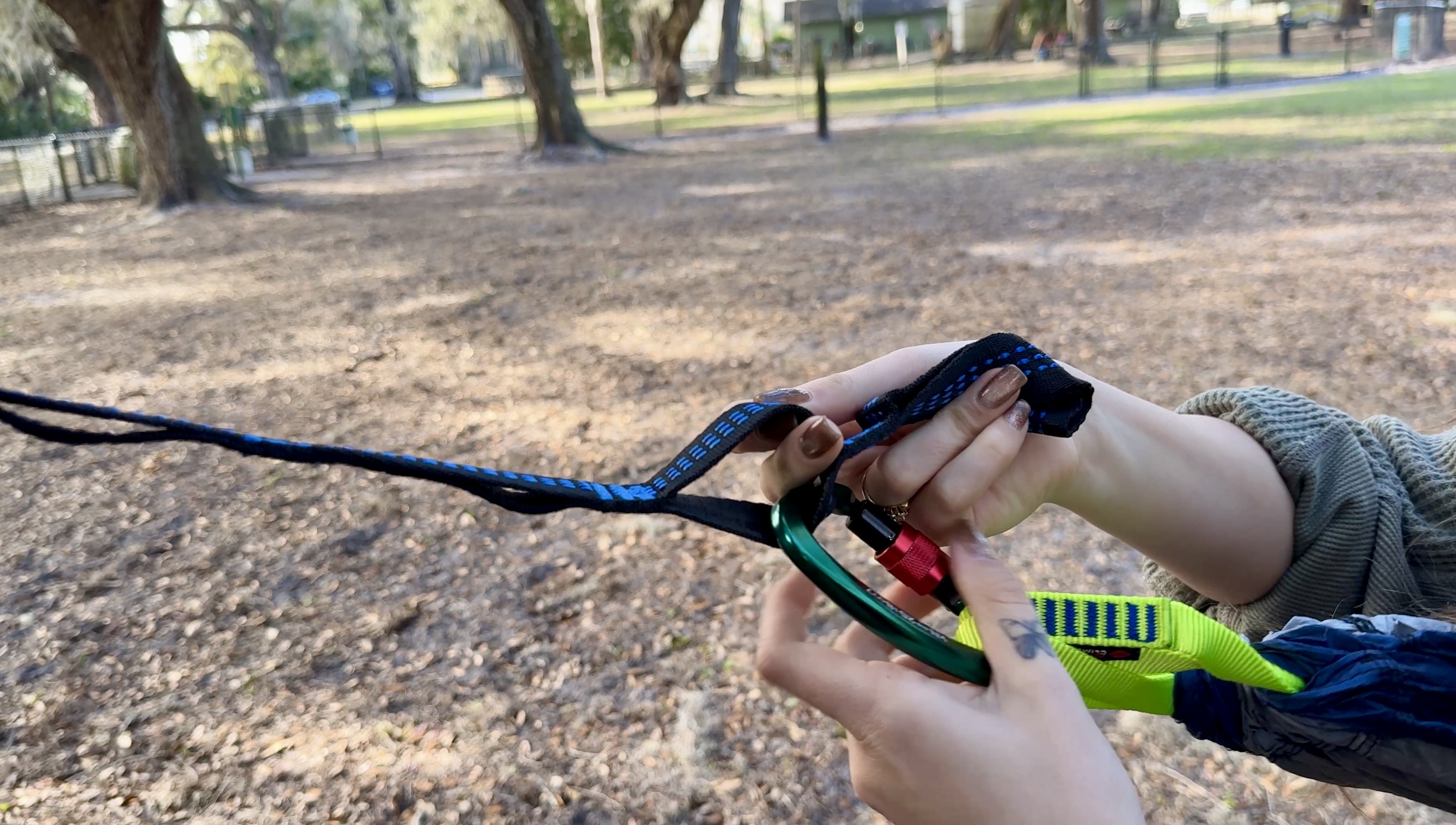
Suspension & Straps
• Tree-Friendly Straps: Opt for wide straps (at least 1 inch) to protect tree bark.
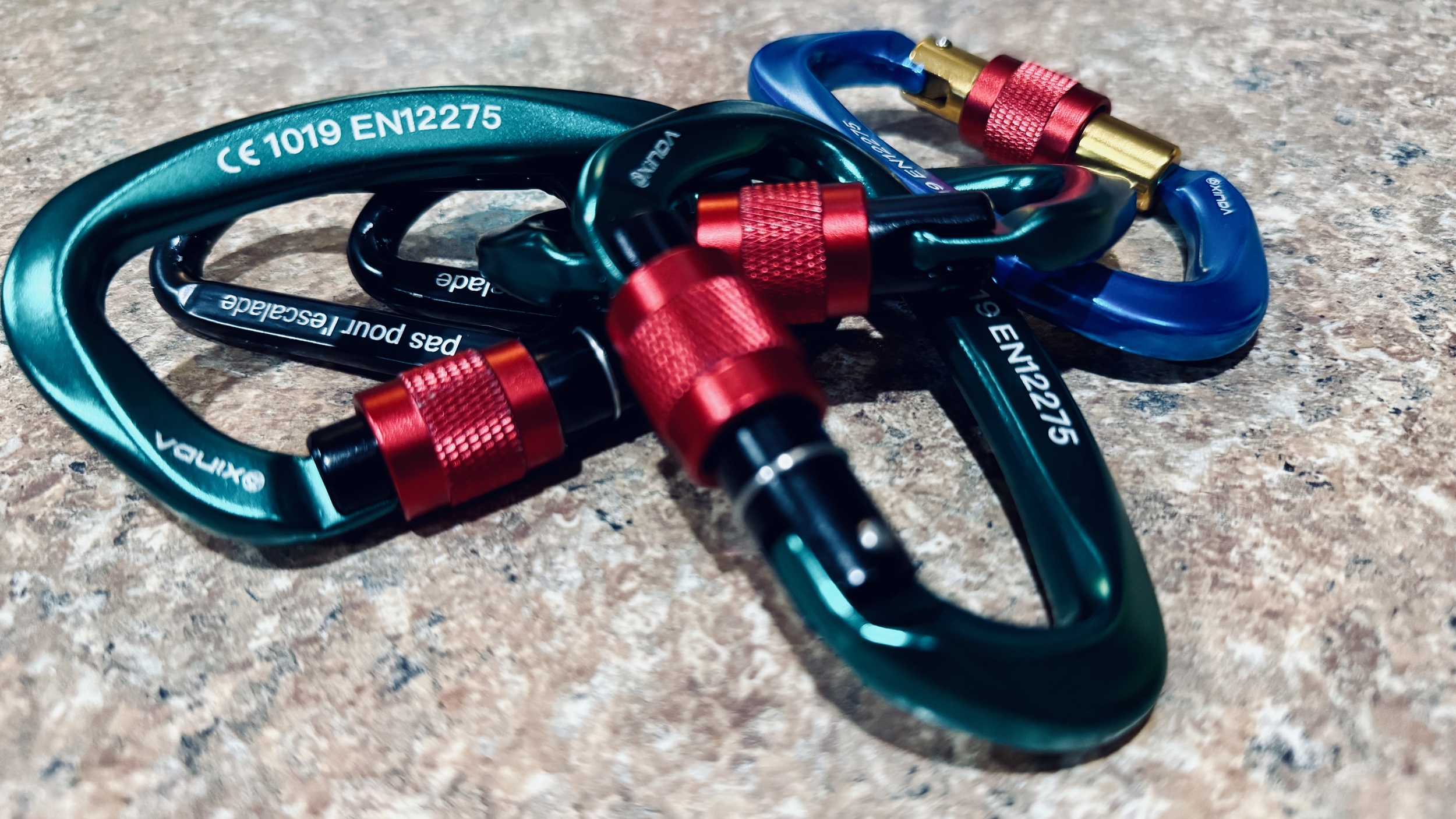
• Carabiners & Ridgelines: Use climbing-rated carabiners and a ridgeline for consistent sag and gear organization.
Accessories
• Bug Net: Insect-heavy areas, like Florida swamps, call for an integrated or detachable net.
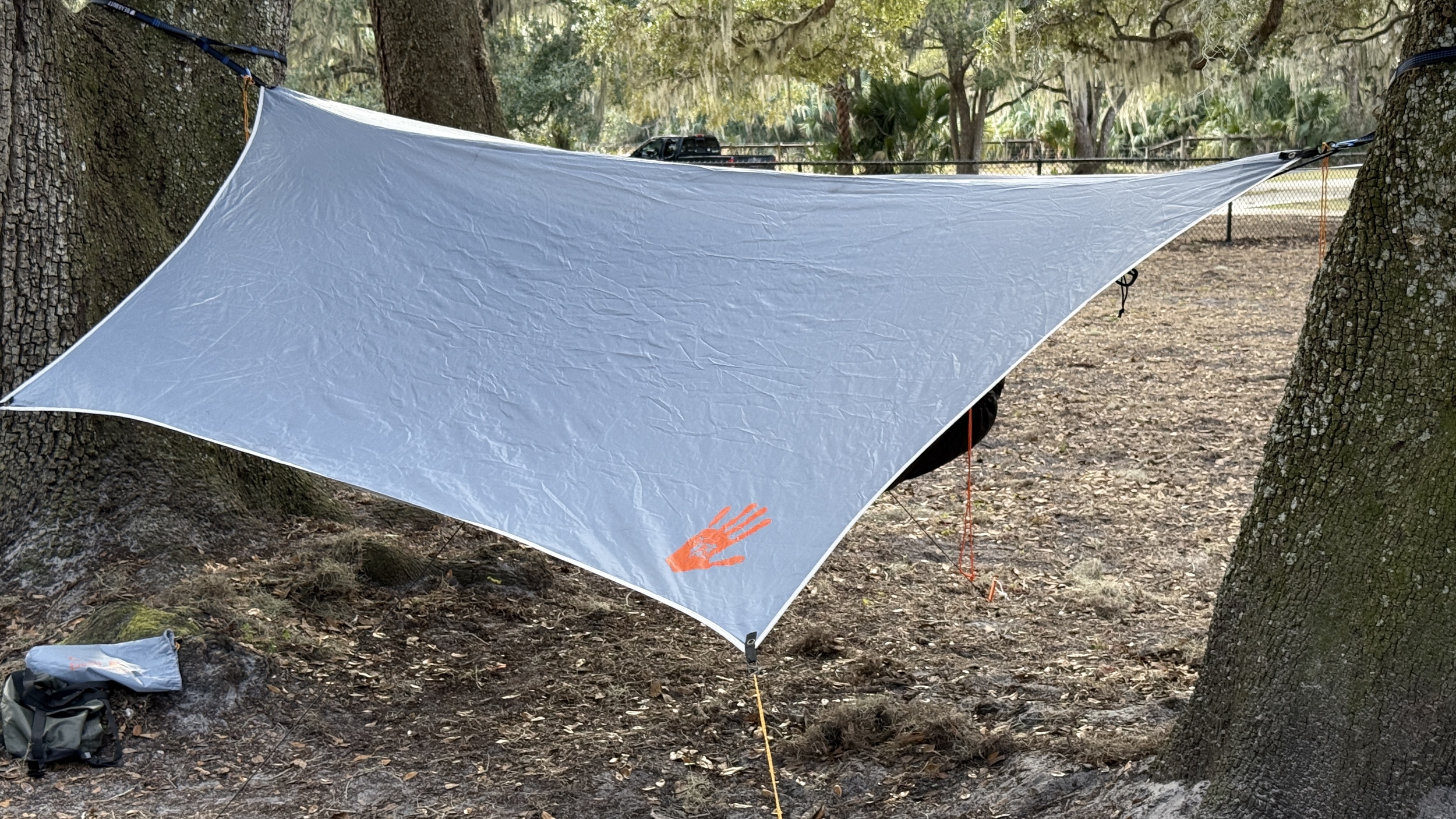
• Tarp or Rainfly: Protects against rain, snow, or excessive sun (my second-hand Hennessy tarp served me well).
• Underquilt or Pad: Prevent heat loss underneath you in cooler weather.
If you want a comprehensive checklist, check out our upcoming “ Hammock Camping Gear Checklist ”.
The best sellers
How to Set Up Your Hammock
The beauty of hammock camping lies in its simplicity—yet a few details can make or break your comfort.
Find the Right Trees
• Look for trees at least 6 inches in diameter (depending on local regulations and tree health).
• Ensure the area is free from dead branches or widowmakers above.
Angle of Hang
• A 30° angle between your suspension and the tree trunk is the sweet spot.
• This angle supports a flatter lay and reduces stress on your gear.
Adjust for Comfort
• Some prefer a slight diagonal lay (head on one side, feet on the other) to reduce back pressure.
• Experiment at home before heading into the wild.
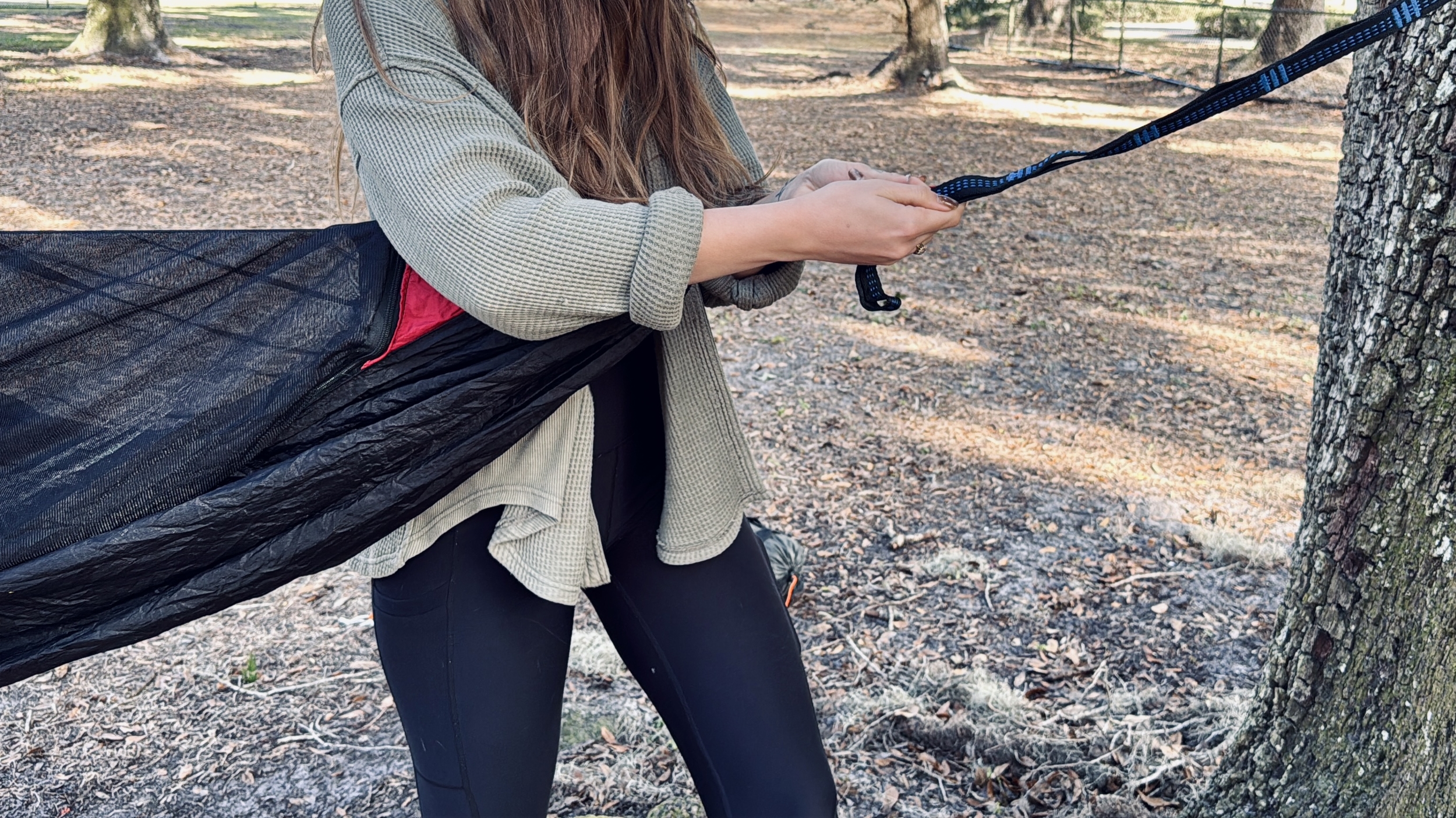
For a step-by-step photo tutorial, see our How to Set Up a Hammock for Camping.
Beginner Tips & Safety
Even if you've pitched a dozen tents, hammock camping has its own learning curve. Here are a few quick tips:
Practice at Home
• Set up your hammock in the backyard or a local park to get the hang of angles , straps , and ridgeline adjustments.
Check Weather Conditions
• Wind and cold air can chill you from below if you're not prepared. An underquilt , sleeping pad , or reflective layer can be a lifesaver in cooler weather.
Stay Low-ish
• Don't hang your hammock so high that you risk injury if you fall out. A seat-height hang is often recommended for safety .
Weight Limits
• Respect the manufacturer's limit to avoid fabric tears or carabiner breaks .
For a broader range of newbie-friendly pointers, read our dedicated Hammock Camping Tips for Beginners .

Weather & Season Considerations
Rain & Storms
• Tarps & Rainflies: Pitch a tarp diagonally or in an “A-frame” shape to shield from sideways rain.
• Site Selection: Avoid low-lying areas or gullies where water pools.
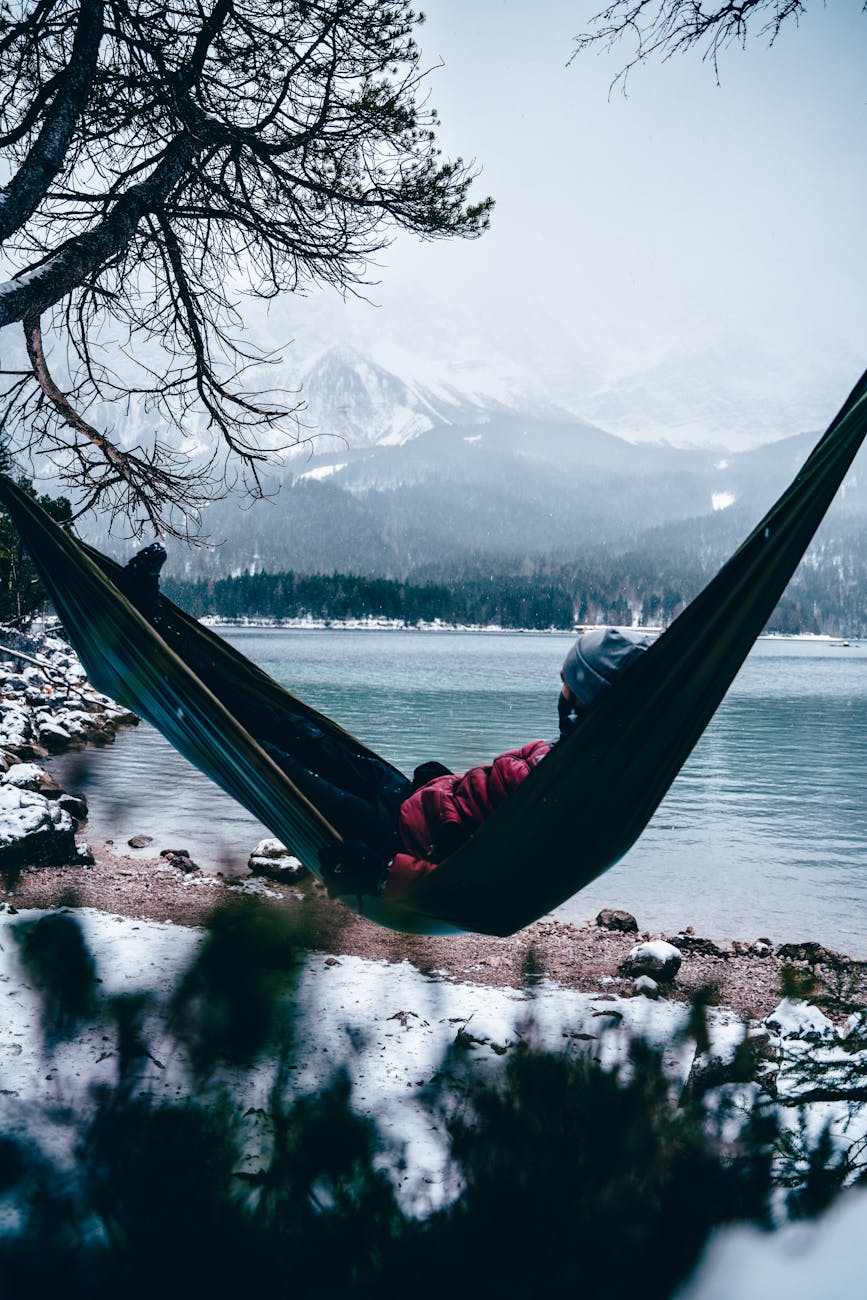
Cold Weather
• Insulation: An underquilt and top quilt trap warmth, while a sleeping pad adds extra insulation.
• Wind Protection: Consider attaching side panels or a winter tarp with doors to block drafts.
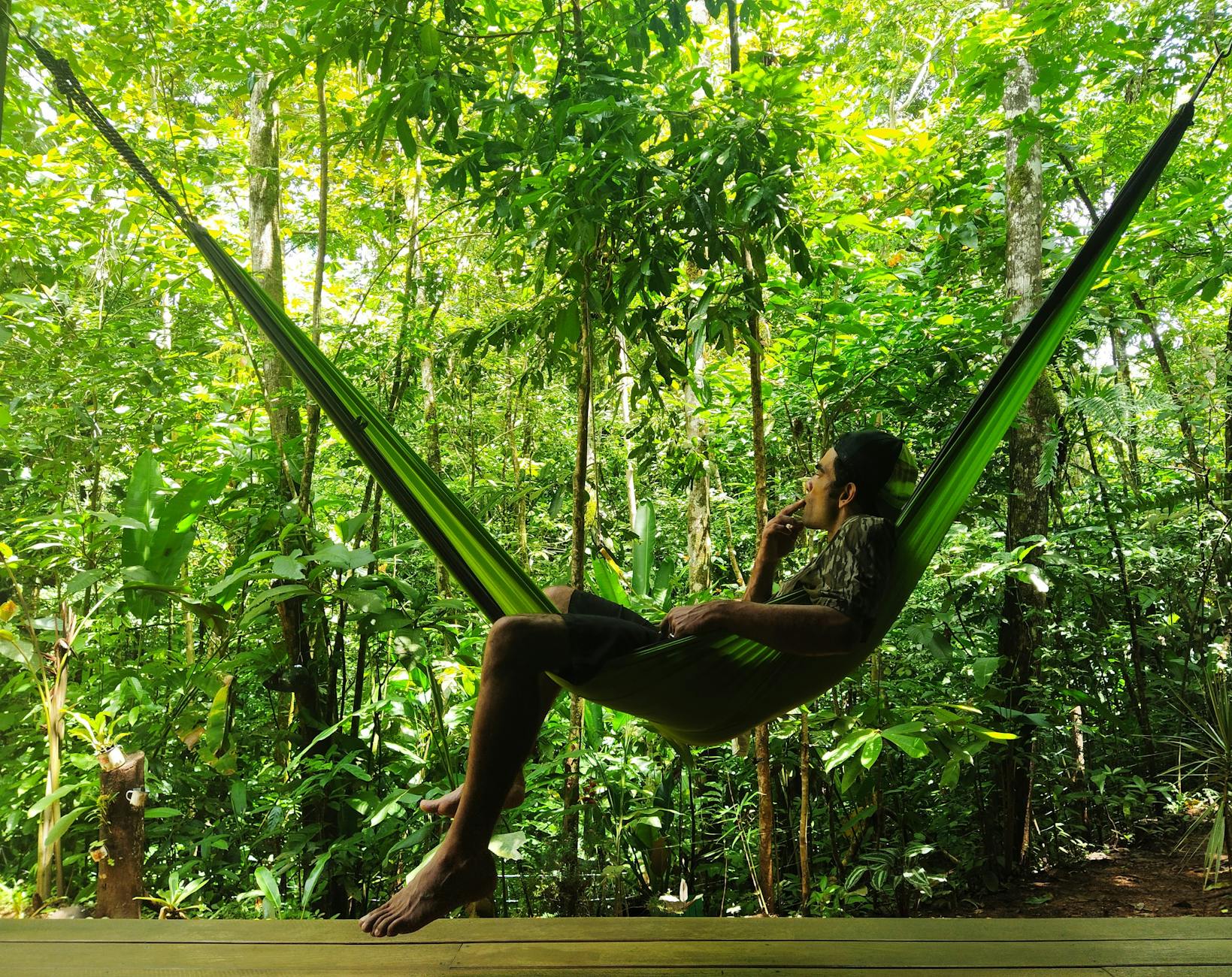
Hot & Humid Climates
• Ventilation: Hammocks shine in muggy weather, offering airflow beneath you.
• Bug Nets: High humidity often means high bug activity—don't skip on netting.
Eco-Friendly Hammocking
One major appeal of hammock camping is its potential for low environmental impact—if done responsibly:
• Use Tree-Friendly Straps: Wide straps reduce bark damage. Avoid ropes or thin cords.
• Leave No Trace: Pack out everything you pack in, and avoid hacking away branches for a “better fit.”
• Watch Out for Sensitive Areas: Some delicate ecosystems or protected parks may have restrictions on hammocking.
For more tips on sustainable camping, see our Eco-Friendly Hammocking Tips for Nature Lovers .
Q: Is hammock camping suitable for back pain sufferers?
A: Many folks with back issues find hammocks more comfortable than the ground, thanks to the gentle support and contour. Still, test different angles and diagonal lays at home before a multi-night trip.
Q: How do I store my gear if it's not inside the hammock?
A: Use a gear sling hung under your hammock or a waterproof bag on the ground. Some tarps even come with built-in vestibules for gear.
Q: Can you hammock camp in winter?
A: Absolutely, with the right insulation (underquilt, top quilt, etc.) and wind protection. Refer to “cold-weather” sections in our guides or use specialized winter tarps.
Conclusion & Next Steps
Hammock camping offers a fresh perspective—literally! Once you grasp these hammock camping basics, you'll be well on your way to a lighter pack, more comfortable sleep, and a deeper connection with nature.
Remember:
• Gear Up Smart: A quality hammock, tree-friendly straps, and optional accessories can make all the difference.
• Practice Setup: At the heart of hammock comfort is learning the proper hang angle and insulation methods.
• Stay Eco-Conscious: Leave the campsite as pristine as you found it (or better).
Ready to elevate your camping experience? Explore our Best Hammocks for Camping or get practical pointers in our How to Set Up a Hammock for Camping and Hammock Camping Tips for Beginners guides or dive into our Eco-Friendly Hammocking Tips for Nature Lovers . Still deciding between a hammock and a tent? Compare the benefits and drawbacks in our Hammock vs. Tent Camping: Pros and Cons for Every Camper article to find your perfect outdoor shelter. Adventure awaits—happy hanging!
Author's Note
This site is reader-supported. When you buy through links on our site, we may earn an affiliate commission. As an Amazon Associate, I earn from qualifying purchases.