
Hammock vs. Tent Camping: Which Shelter Fits Your Trip?
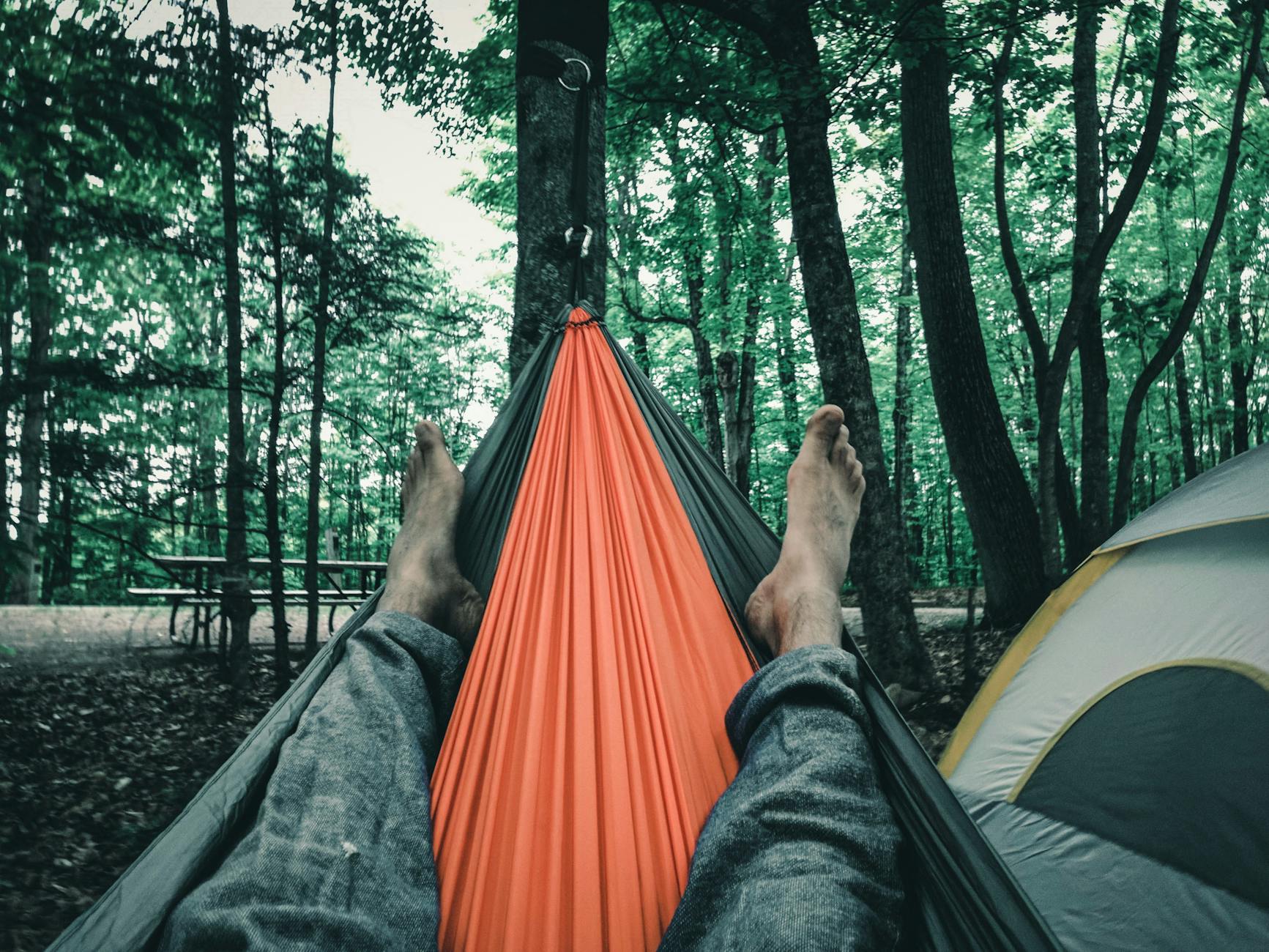
Hammock vs. Tent Camping: The Short Answer
Choose a hammock when you expect healthy, legal anchor trees, travel solo, and want to stay above uneven or wet ground. Choose a tent when campsites are treeless or exposed, you need shared enclosed space, or simple site flexibility matters more. Neither shelter wins everywhere—compare the complete shelter and sleep systems for the trip in front of you.
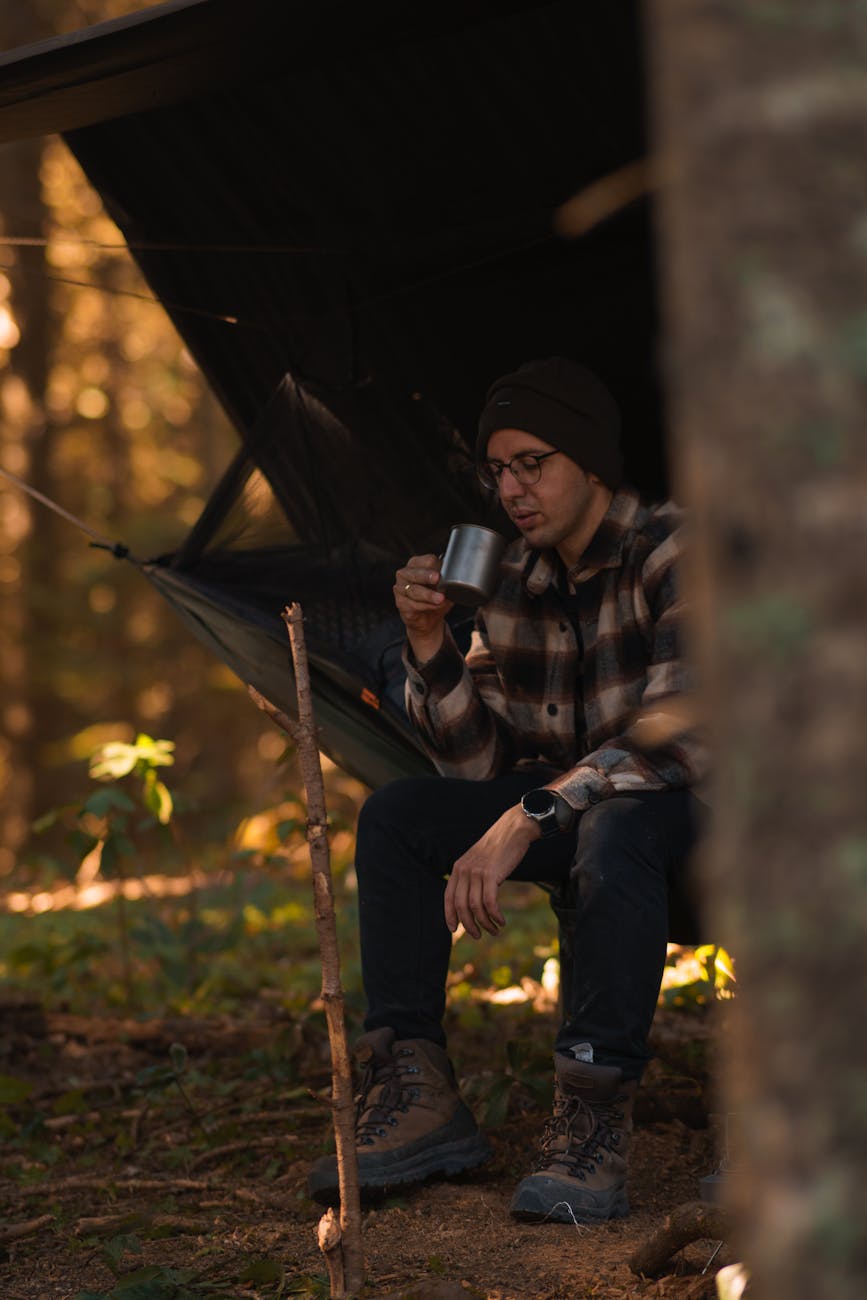
Where a Hammock Wins
A camping hammock solves problems that tents cannot, but only when the site supplies safe anchors. Its strongest advantages come from terrain independence, a small ground footprint, and an individual sleep space that can be tuned to the camper.
Best reasons to choose a hammock:
• Uneven or wet ground: Roots, rocks, slope, mud and standing water matter far less when your sleep surface is suspended between suitable trees.
• Individual comfort: A properly hung gathered-end hammock lets many campers lie diagonally instead of bending into a banana shape. Comfort is personal, so practice before committing to a remote night.
• Small campsite footprint: You do not need a tent-sized patch of flat ground, although you still need healthy trees, safe overhead conditions and room for the suspension and tarp.
• Airflow in warm weather: Open sides can feel cooler and less enclosed than a tent. That same airflow becomes a liability when temperatures drop.
• Modular weather coverage: You can pitch a tarp high and open for ventilation or low and tight for protection. The tradeoff is that the tarp, suspension, bug protection and insulation all belong in the real system comparison.
Hammock limitations to plan around:
• Anchors and rules: Treeless terrain, undersized or damaged trees, prohibited hanging and crowded established campsites can remove the hammock option entirely.
• Total system weight: A bare hammock is light; a complete hammock shelter may include straps, suspension, tarp, stakes, bug net and under-insulation. Compare complete systems—not one hammock against one complete tent.
• Bottom insulation: Compressed sleeping-bag insulation provides little warmth underneath you. In cool conditions, plan for a suitable pad or underquilt rather than treating insulation as optional.
• Setup skill: Tree choice, suspension angle, tarp coverage and drip management take practice. Keep the hammock low and test the system somewhere with approved, structurally sound anchors before relying on it in the field.
Where a Tent Wins
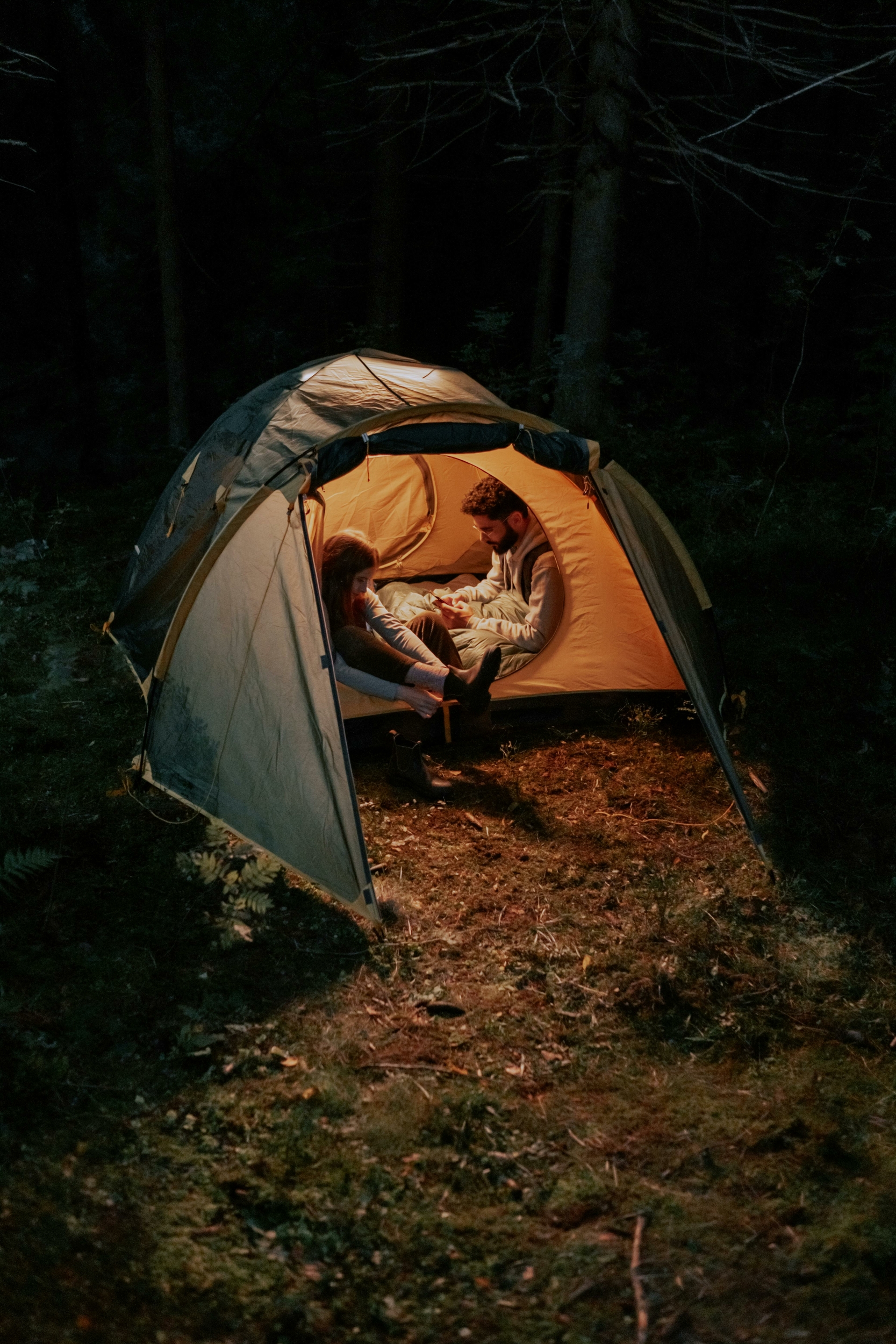
A tent is the more dependable default when you cannot count on trees or when several people need one protected living space. It is not automatically warmer, lighter or easier—the advantage is broad site compatibility and familiar enclosed shelter.
Best reasons to choose a tent:
• Treeless and open terrain: Deserts, beaches, alpine zones and many developed sites are easier with a tent, provided you have a suitable footprint and a way to secure the shelter.
• Shared space and privacy: Couples, families and campers who want room to change, organize gear or wait out weather often benefit from one enclosed shelter.
• Familiar storm management: A tent designed for the expected conditions can simplify wind and rain protection because the shelter components are integrated rather than arranged separately.
• Group logistics: One tent can consolidate shelter, stakes and shared space. Separate hammocks usually mean separate suspensions, insulation and weather coverage for each sleeper.
• Familiar sleep surface: Campers who already sleep well on a pad may prefer the predictability of a flat platform over learning a new suspended sleep position.
Tent limitations to plan around:
• Site selection still matters: Tents need enough durable, reasonably level ground and should not be placed in drainage paths, fragile vegetation or beneath overhead hazards.
• Condensation: Enclosed shelters can collect moisture when ventilation, site choice and weather conditions work against you. Double walls manage contact; they do not eliminate condensation.
• Weight and bulk vary widely: Some backpacking tents are lighter than full hammock systems, while family tents are much heavier. Compare capacity and weather readiness on equal terms.
• Ground comfort depends on the pad: A tent floor does not smooth roots or rocks and provides little cushioning. The pad is part of both comfort and insulation.
Quick Decision Guide: Match the Shelter to the Trip
Start with the campsite constraint that could make one system fail. Then compare the complete packed systems for the temperature and weather you expect.
Forested, wet or uneven campsites
• Hammock: Strong fit when healthy, legal anchors are available. It keeps the sleep surface above poor ground and limits the need to clear a footprint.
• Tent: Still workable when a durable, level pad exists, but wet soil, roots and slope can narrow your choices.
Treeless, exposed or restricted terrain
• Hammock: Poor fit unless an approved stand or rated anchors are genuinely available. Never improvise with railings, porch posts, fences or unrated structures.
• Tent: Usually the practical choice, matched to the expected wind and with an appropriate staking or freestanding strategy.
Solo, weight-conscious travel
• Hammock: Can be compact and competitive in mild weather. Add the tarp, suspension, bug protection and insulation before comparing the final packed weight.
• Tent: Ultralight solo tents can be equally competitive and remove anchor dependence. A shared two-person tent may also reduce per-person shelter weight.
Cold, wind or prolonged rain
• Hammock: Capable with skilled tarp placement and dedicated top-and-bottom insulation, but mistakes are exposed quickly because air moves beneath the sleeper.
• Tent: Often simpler for blocking wind and managing gear, but it still needs an adequate sleeping pad and bag or quilt for the temperature.
Two people, family or base camp
• Hammock: Best when each person wants an individual sleep system and the site has enough suitable anchors without crowding or damaging trees.
• Tent: Usually wins for shared space, privacy and centralized gear management.
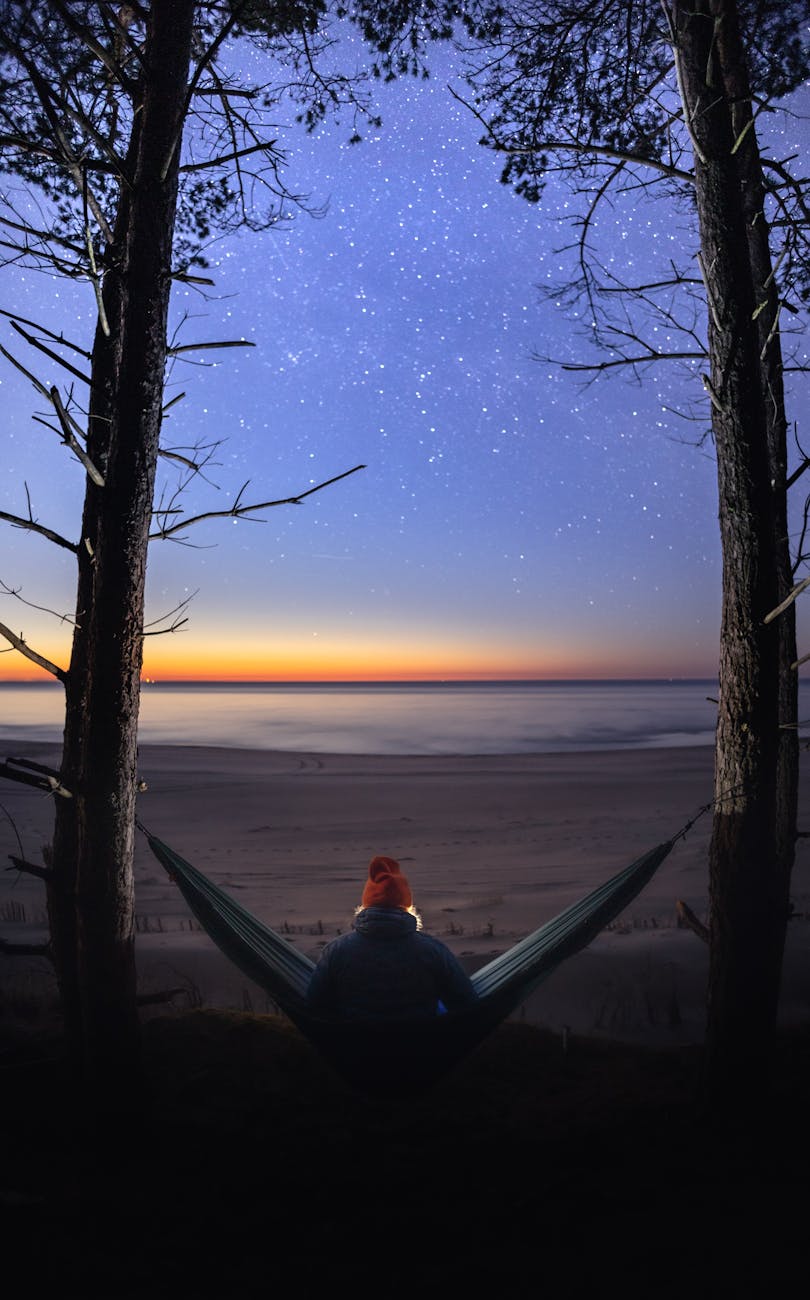
Our Verdict: Choose the System That Removes the Biggest Constraint
If your trip has reliable trees, solo sleeping and difficult ground, a hammock may solve the hardest campsite problem. If anchors are uncertain, the route is exposed, or several people need one room, a tent is the safer planning choice.
• Choose a hammock when the site—not marketing—supports it, and when you are prepared to carry the full weather and insulation system.
• Choose a tent when broad site compatibility, enclosed shared space or simpler exposed-terrain planning matters more than staying off the ground.
Whichever system you choose, practice the complete setup before the trip, use only healthy trees or properly rated anchors, check local rules, and keep the sleep surface low. The best shelter is the one you can pitch safely before weather or darkness removes your margin.
Return to the Hammock Camping Basics Guide →
Use the beginner guide above to turn the decision into a safe, complete hammock setup.
Affiliate Disclosure
This site is reader-supported. When you buy through links on our site, we may earn an affiliate commission. As an Amazon Associate, I earn from qualifying purchases.