
How to Set Up a Hammock for Camping
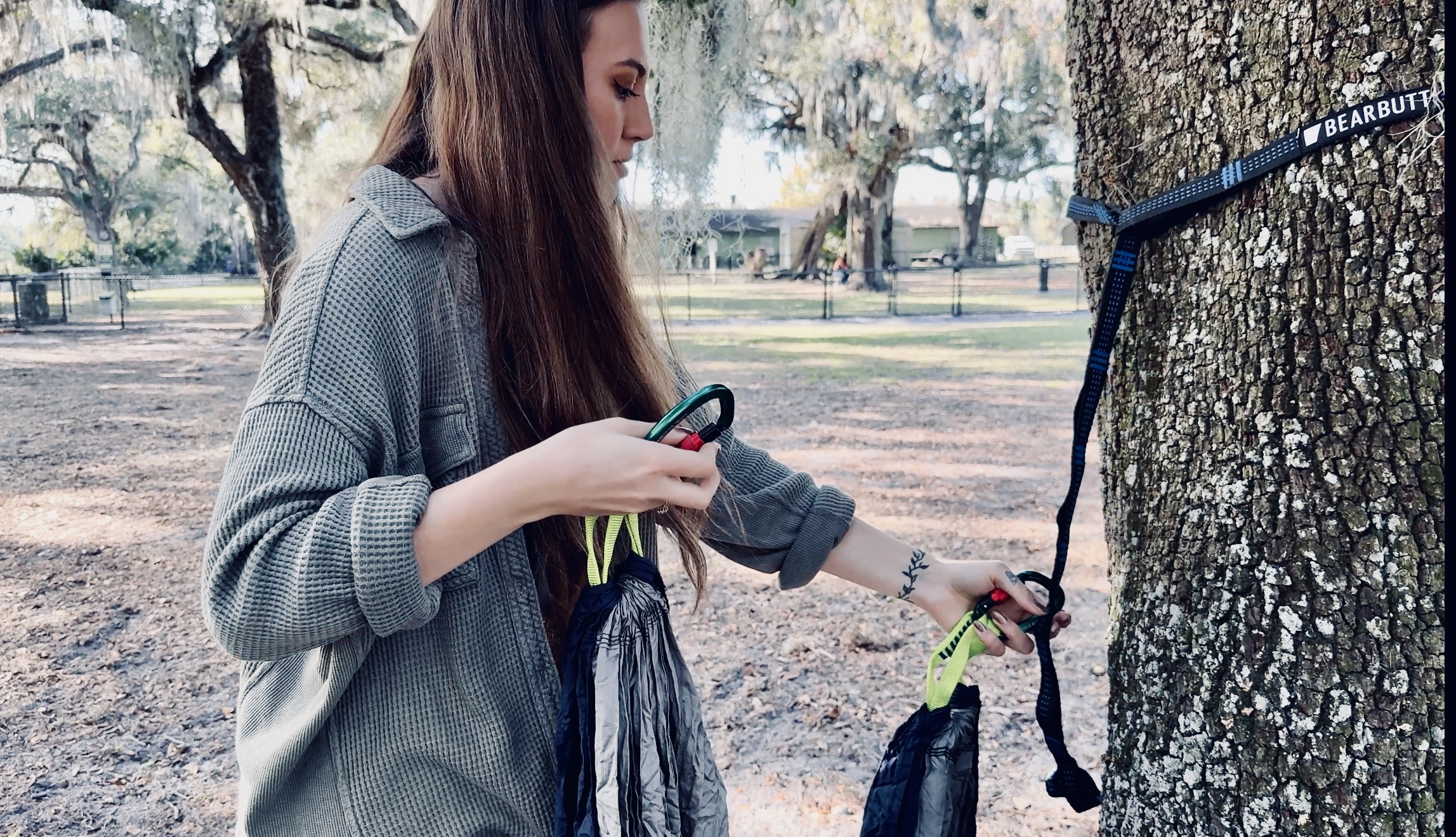
Setting Up a Hammock Right
Setting up a hammock for camping is one of the most rewarding skills for outdoor enthusiasts. Learning how to set up a hammock for camping ensures comfort and safety. Not only does it ensure a comfortable and safe resting spot, but it also helps you connect with nature in a unique way.
All The Hammock Things
Here’s what you’ll need for a successful hammock setup:

Hammock:
Durable and camping-specific for comfort.
The best sellers
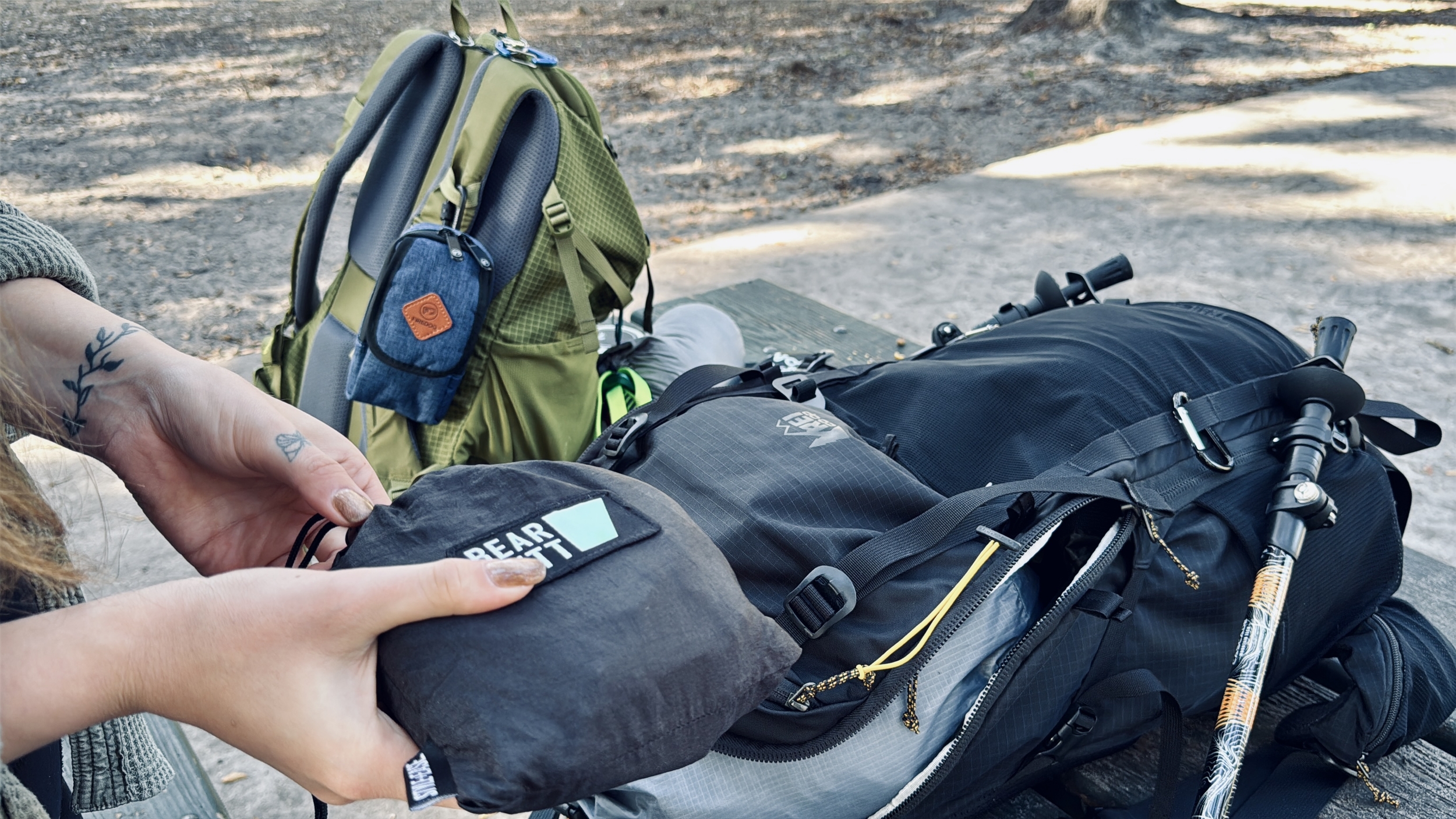
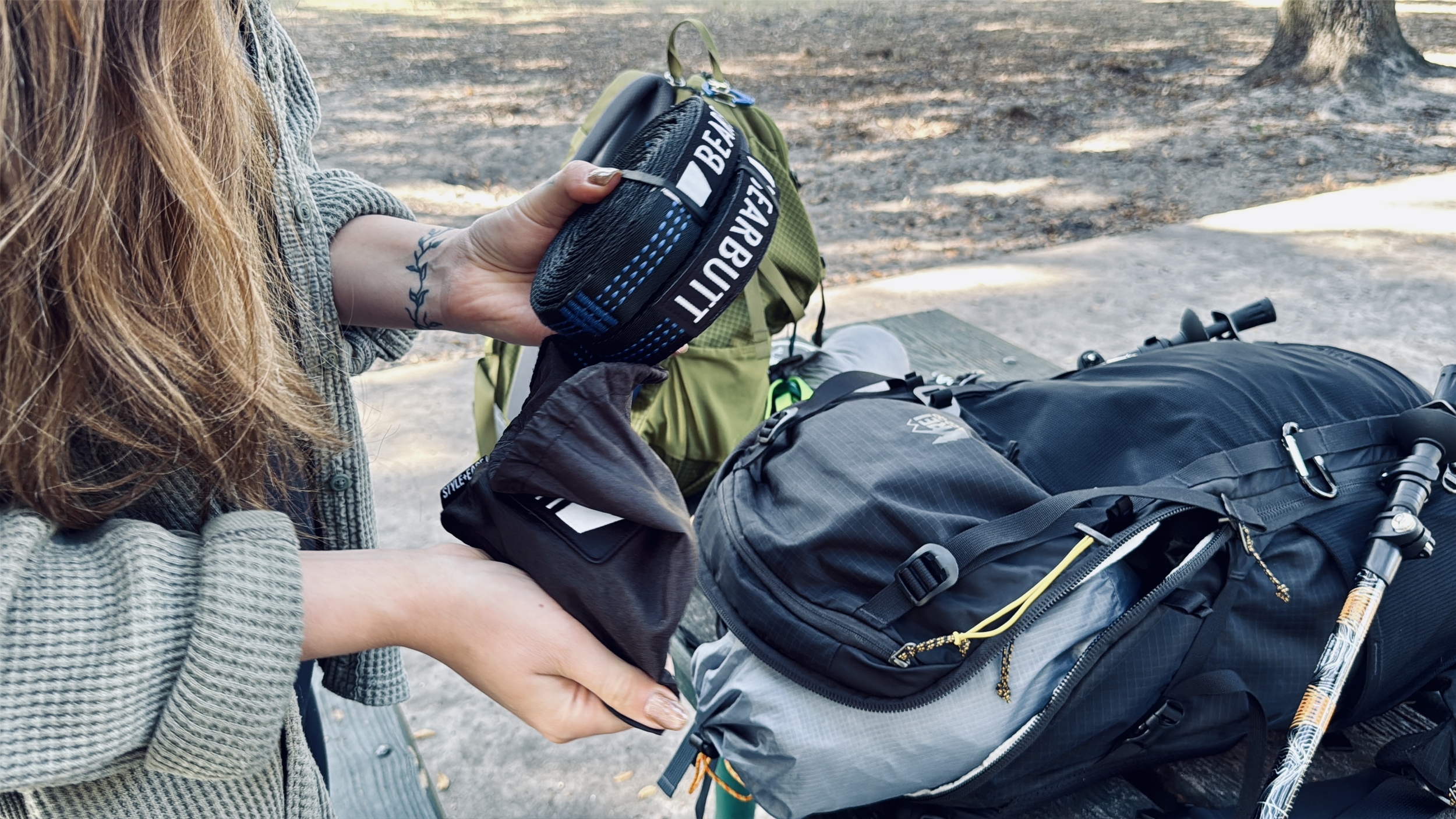
Tree Straps:
Wide and tree-friendly to protect the bark.
The best sellers
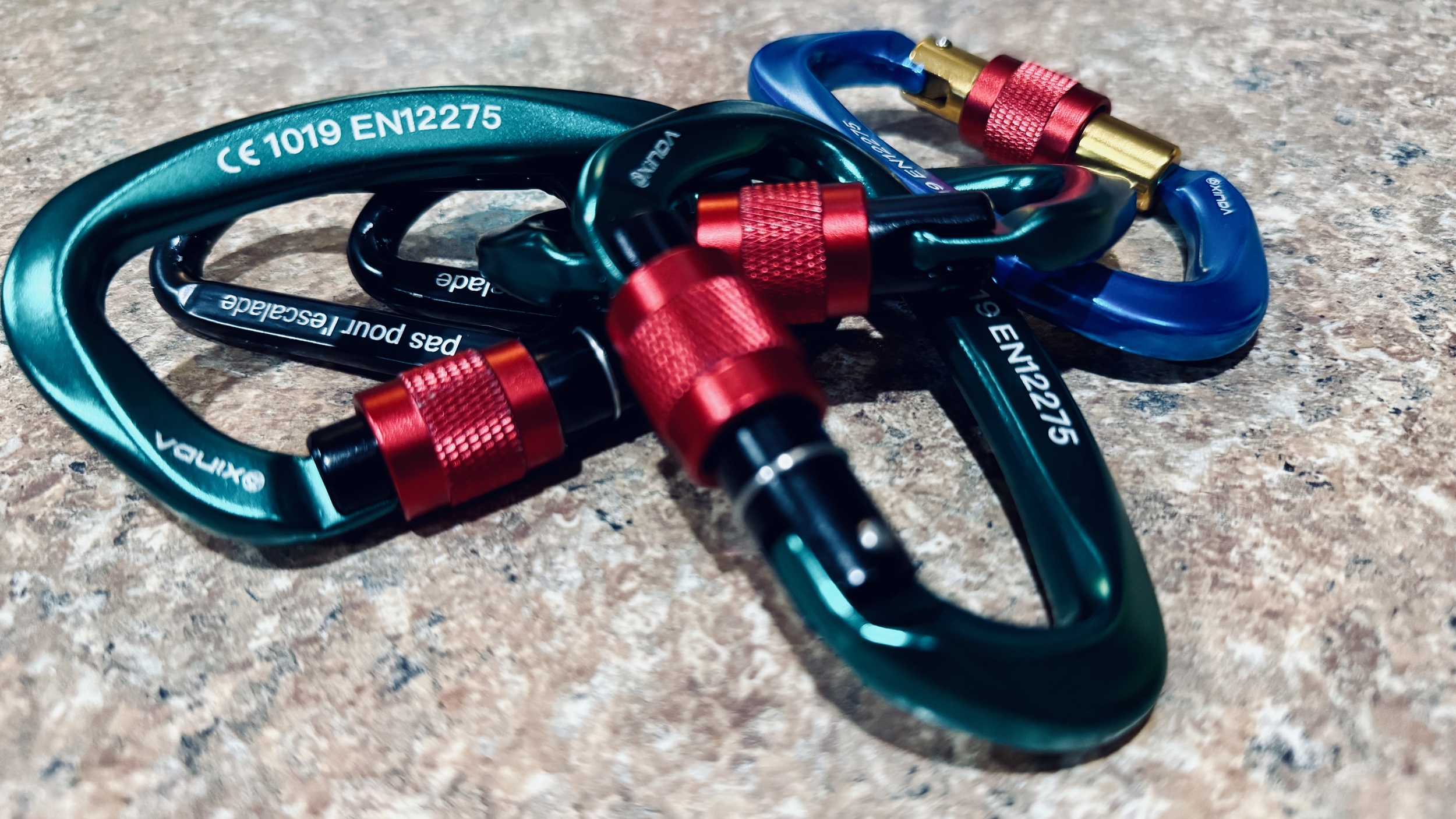
Carabiners:
Lightweight yet strong for secure attachment.
The best sellers
Ridgeline:
(Optional) Improves stability and weight distribution.
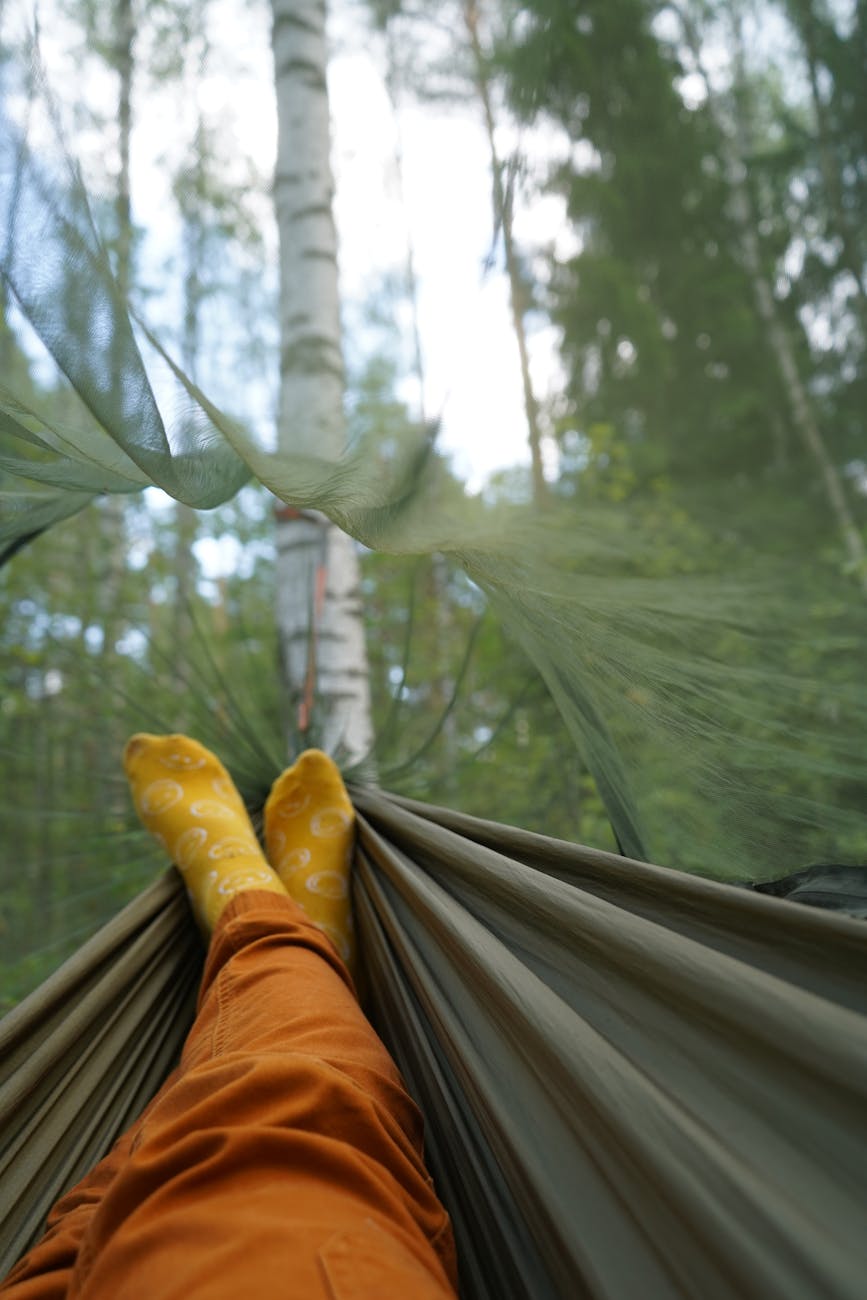
Accessories:
Bug net, tarp, and underquilt for added comfort.
The best sellers
Step-by-Step Guide to Setting Up a Hammock

Step 1: Choosing the Right Spot
• Find two sturdy trees spaced 12–15 feet apart.
• Check for dead branches above (widowmakers).
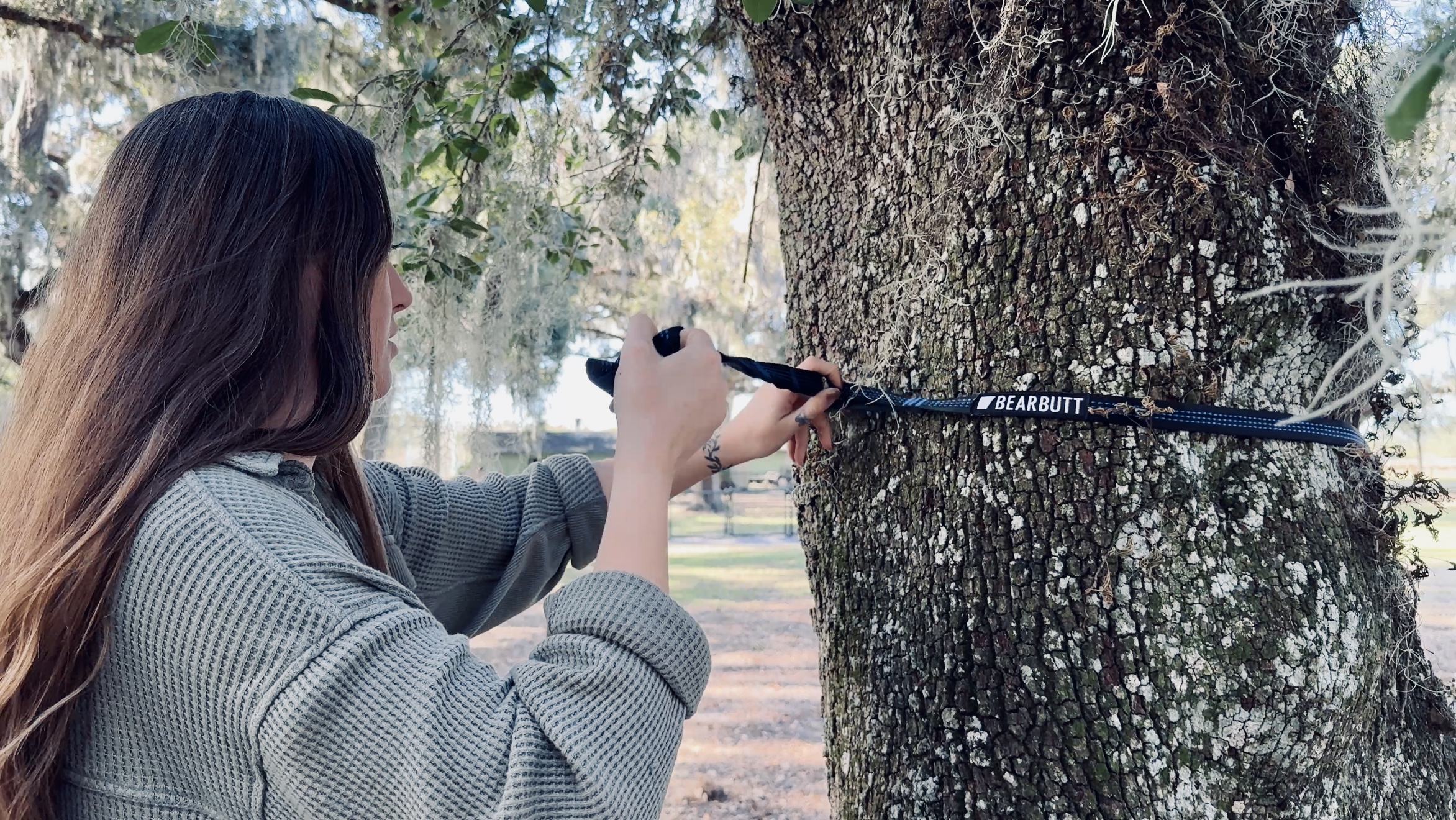
Step 2: Attaching Straps
• Wrap tree straps around the tree at a height of 5–6 feet.
• Secure them using bark-friendly attachments.
Adjusting the Hammock
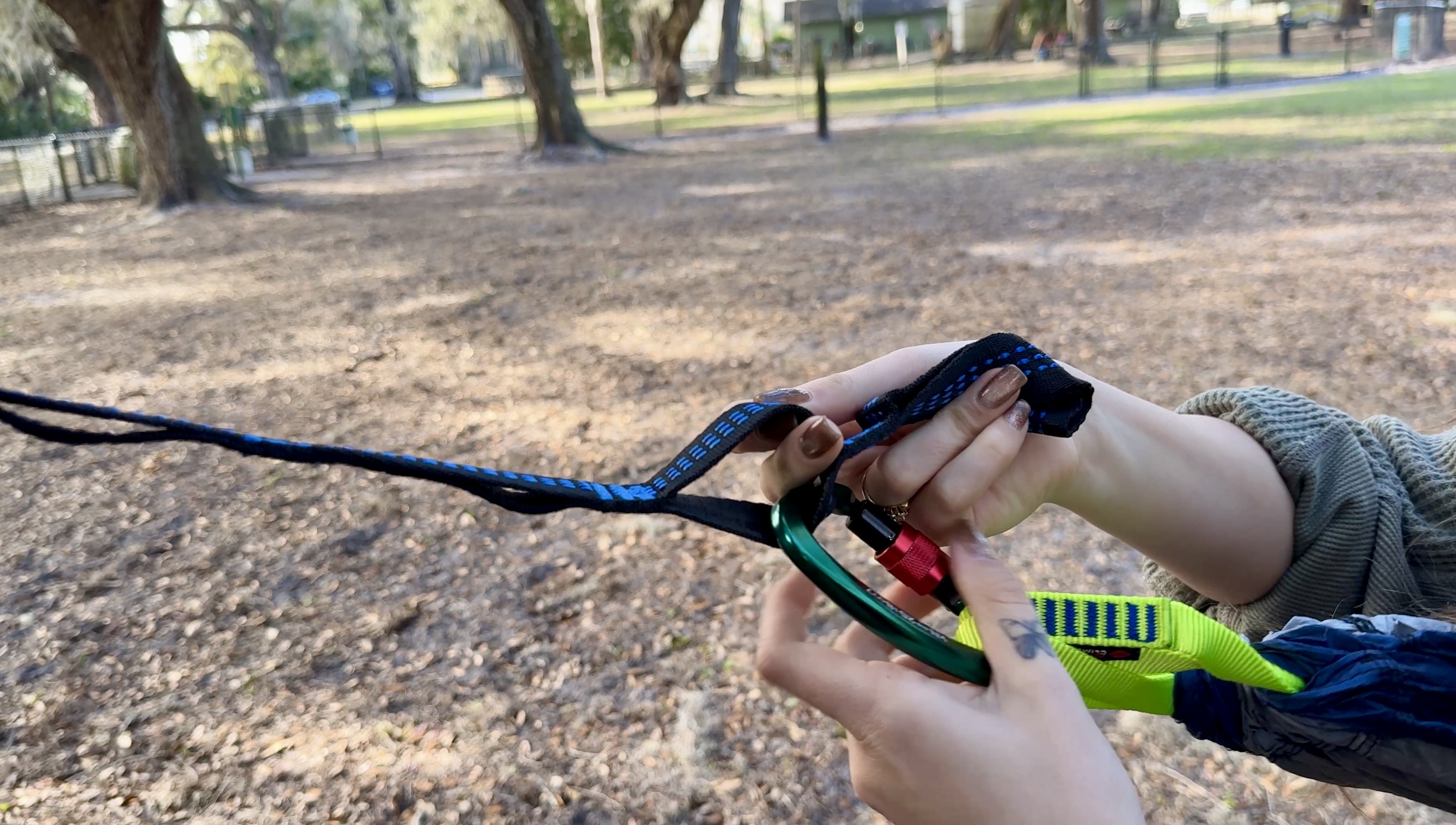
• Clip your hammock to the straps with carabiners.
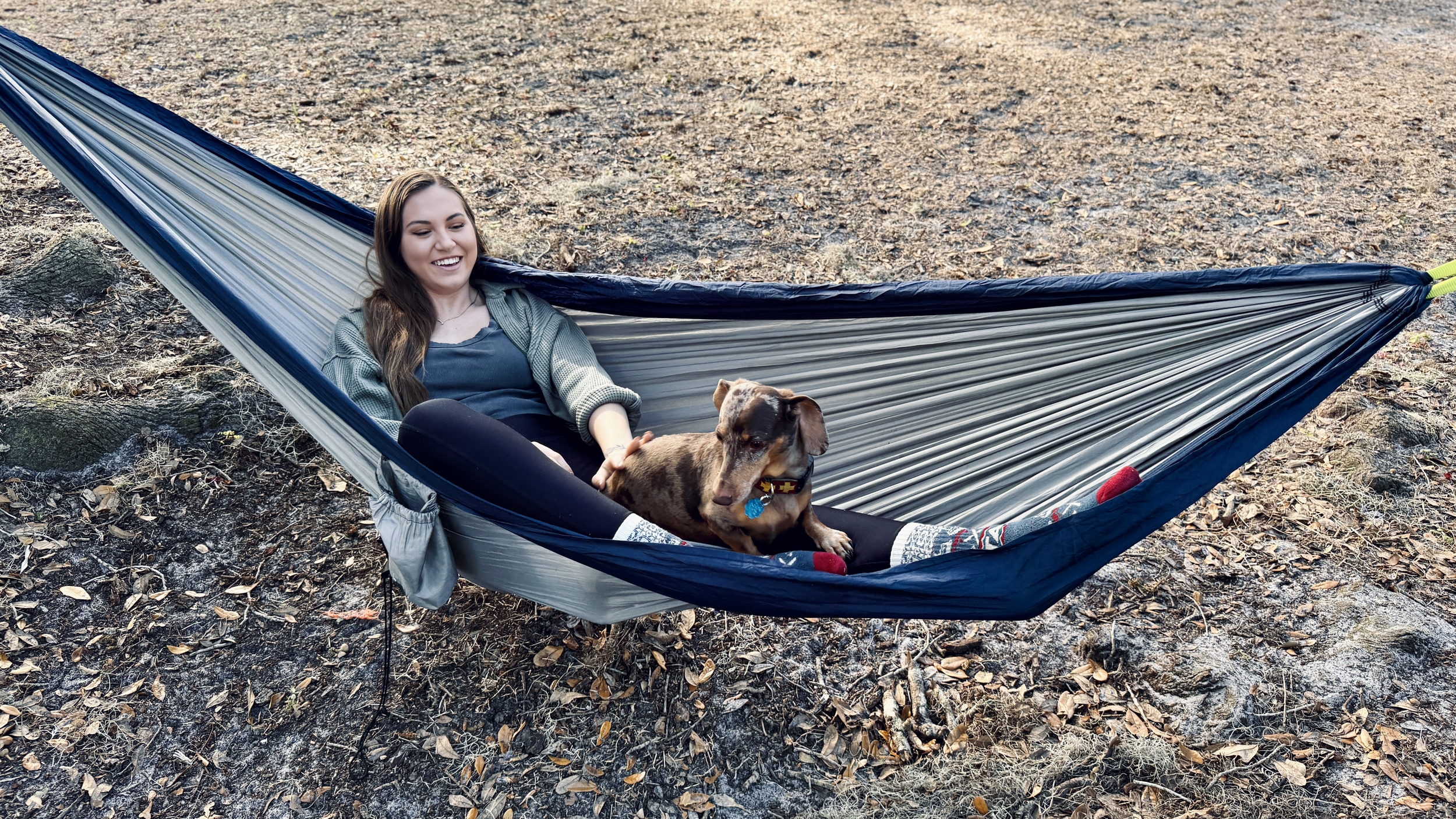
• Adjust the height so the hammock hangs 18 inches off the ground.
• Aim for a slight sag, about a 30-degree angle from the anchor point.
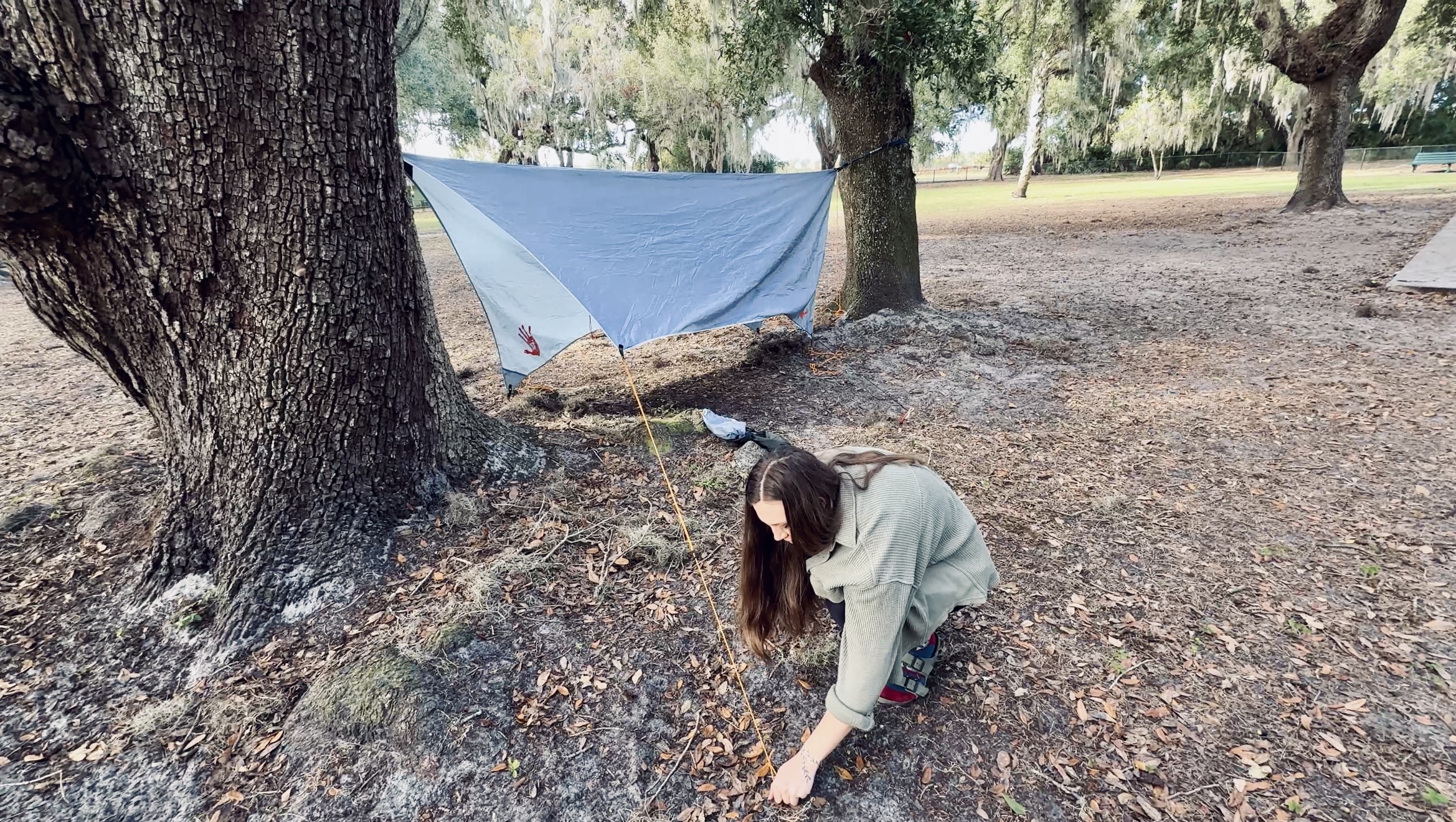
Step 4: Adding Accessories
• Set up a ridgeline for extra stability.
• Add a tarp for rain or sun protection.
• Install a bug net to keep insects out.
Conclusion
With the right tools and techniques, setting up a hammock for camping is a straightforward and rewarding process. By mastering your hammock setup, you’ll ensure comfort and safety for all your outdoor adventures. Follow these steps to enjoy a safe and comfortable experience in the great outdoors. For more tips and gear reviews, check out our related guides on Wanderlust Hammocks.
Bonus Tip for Hammock Setup:
If you’re camping in colder weather, staying warm in your hammock requires proper insulation. Use an underquilt, a sleeping pad, or even a reflective blanket to keep cold air from seeping through the fabric. Pair this with a top quilt or a warm sleeping bag for maximum comfort. These small adjustments can make your hammock setup more enjoyable, even in freezing temperatures.
Return to the Hammock Camping Basics Guide →
Author's Note
This site is reader-supported. When you buy through links on our site, we may earn an affiliate commission. As an Amazon Associate, I earn from qualifying purchases.