What Is the Best Eco-Friendly Hammock?
Eco-Friendly Hammocks Without the Greenwashing
A field-minded guide to recycled materials, vegan claims, tree-safe hanging, and buying less gear—more carefully.
What Is the Best Eco-Friendly Hammock?
The short answer
If the hammock you own is still safe, the lower-impact choice is usually to keep using it. If you need a new hammock and want the clearest documented material claim we found, Kammok’s current Roo Single and Roo Double use hammock body fabric described by the manufacturer as 100% recycled and bluesign® approved. That does not make either product impact-free—or automatically vegan—but it is a more specific, checkable claim than a generic “eco-friendly” label.
What Actually Makes a Hammock a Better Environmental Choice?
Use it for a long time. A durable hammock kept in service usually beats a short-lived replacement bought for a vague environmental label. Inspect seams, suspension channels, straps, and hardware; retire damaged load-bearing parts before they fail.
Verify the exact claim. Recycled content, organic fibers, chemical testing, and factory standards are different things. A certification proves only what its stated scope covers; it does not automatically make the entire hammock environmentally friendly.
Count the whole sleep system. A camping hammock may also require tree straps, a tarp, bug protection, and insulation. Reuse compatible gear and buy only the pieces your conditions actually require.
Favor repairable, supported gear. Look for replacement parts, useful care instructions, a meaningful warranty, repair service, or a take-back program for the exact brand and model.
Follow the evidence. Wanderlust labels manufacturer specifications, published outdoor guidance, and Mike’s firsthand experience separately. We do not turn one recycled component into a whole-product sustainability claim.
Our Honest Picks by Situation
Best overall lower-impact choice: the safe hammock you already own. Maintain it, replace individual suspension components when practical, and retire any load-bearing item with damaged stitching, fabric, webbing, or hardware.
Best documented recycled-fabric choices: Kammok Roo Single for lighter solo use and Roo Double for more room. Kammok lists both at a 500-pound capacity with 100% recycled, bluesign®-approved 40D ripstop nylon body fabric. Straps are sold separately.
Best familiar-gear choice: a durable ENO, Grand Trunk, or other hammock you already use confidently may be better than replacing it for one material claim. We do not call the current ENO DoubleNest recycled; its published specification lists 70D nylon.
Is a Synthetic Hammock Vegan?
Nylon and polyester body fabrics contain no obvious wool, silk, leather, or down, so they may look vegan on a product page. But most public specifications do not identify every dye, coating, adhesive, thread, label, or trim component.
That means “synthetic” is not the same as “verified vegan.” We found no whole-product vegan certification for the hammocks discussed here, so we will not present one as confirmed.
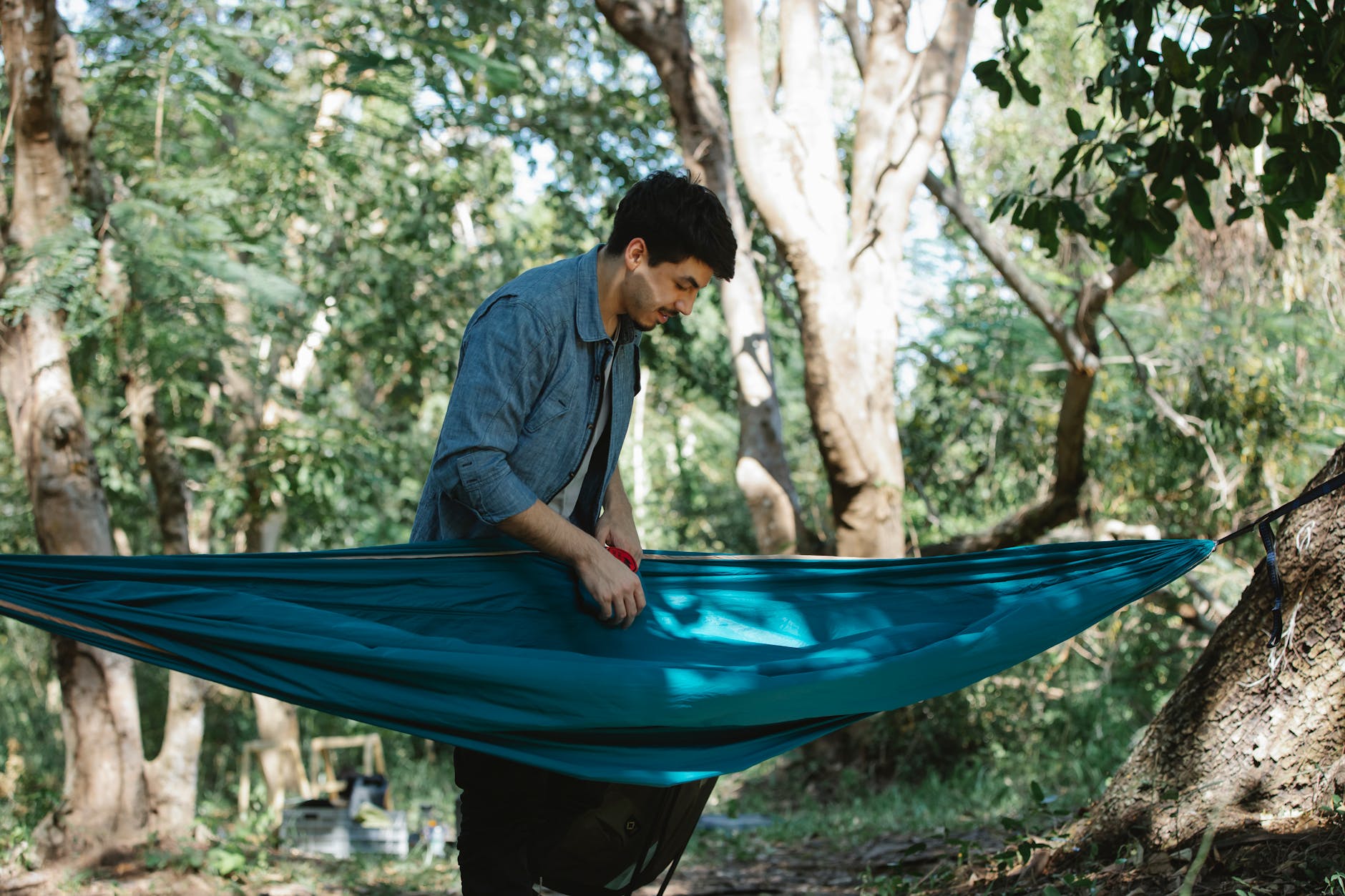
How to Verify a Vegan Hammock
Ask the manufacturer whether the entire product—not only the hammock body—is free of animal-derived materials.
Name the components: fabric, thread, dyes, coatings, adhesives, labels, trim, carabiners, slings, and storage sack.
Until the maker confirms that full scope, treat a nylon or polyester hammock as a possible vegan option, not a verified vegan hammock.
Protect the Place Where You Hang
Leave No Trace’s hammock-camping guidance centers on permission, wide webbing, healthy anchor trees, durable campsites, waste control, fire care, and respect for wildlife. Local land-manager rules always take priority.
Products Mentioned in This Guide
Responsible Hammock Checklist
Before the trip: Confirm hammock permission and strap rules; check weather; inspect the hammock, straps, hardware, tarp, and insulation; practice the setup; and carry a backup plan for unsuitable trees or changing conditions.
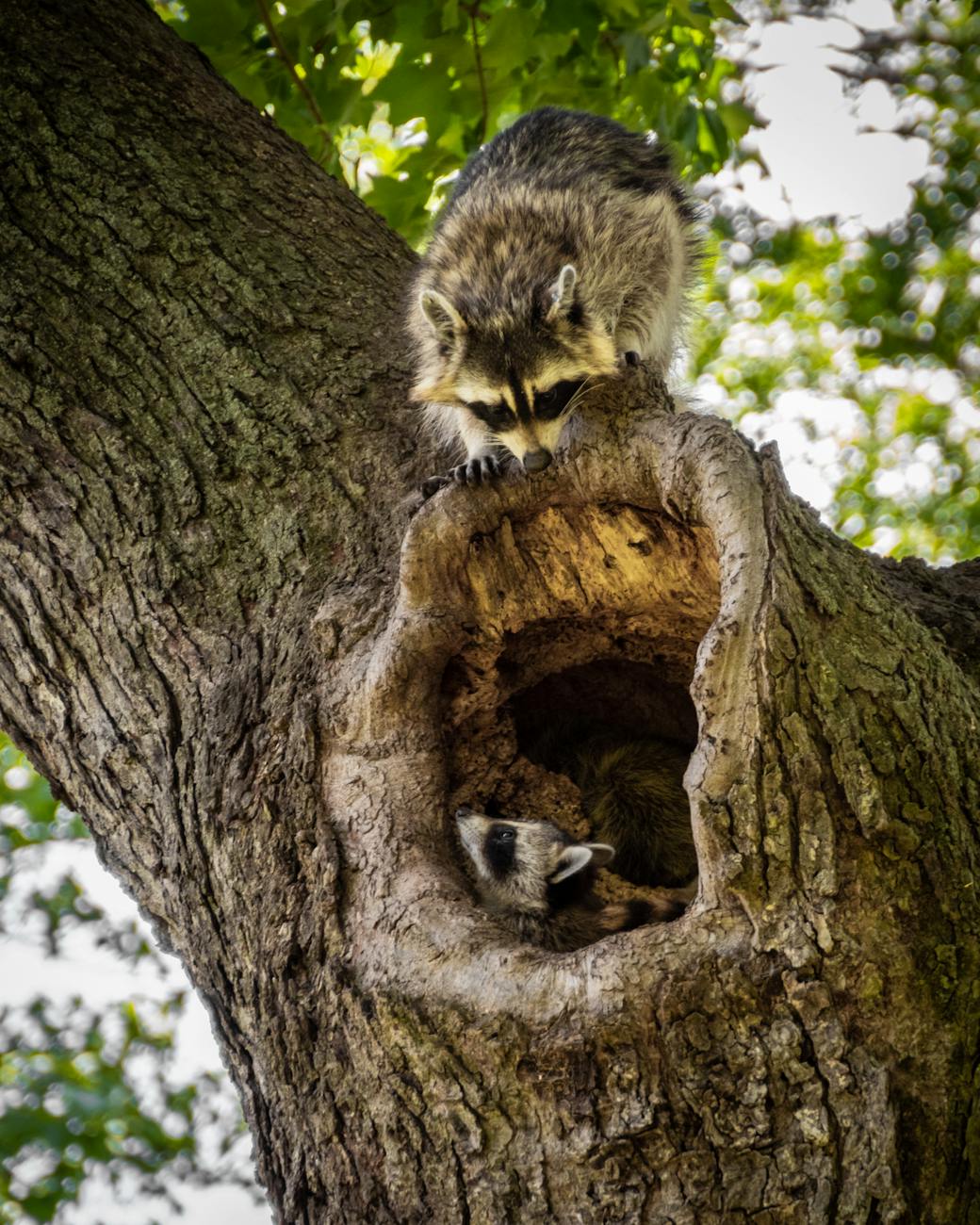
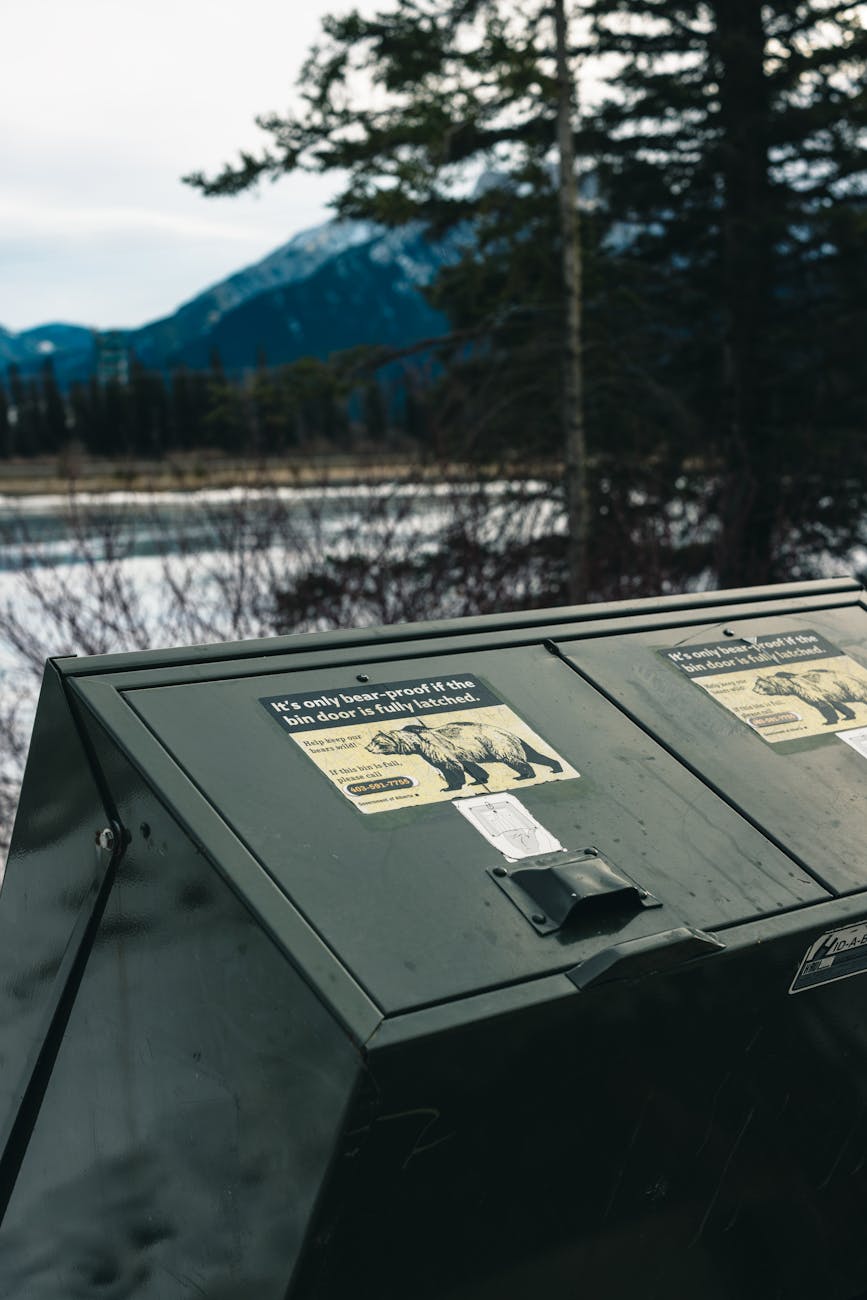
At camp and when leaving: Choose healthy anchors and durable ground, secure food and scented items according to local wildlife rules, pack out every scrap, dismantle carefully, and leave the site looking unused.
Build a Lower-Impact Hammock System
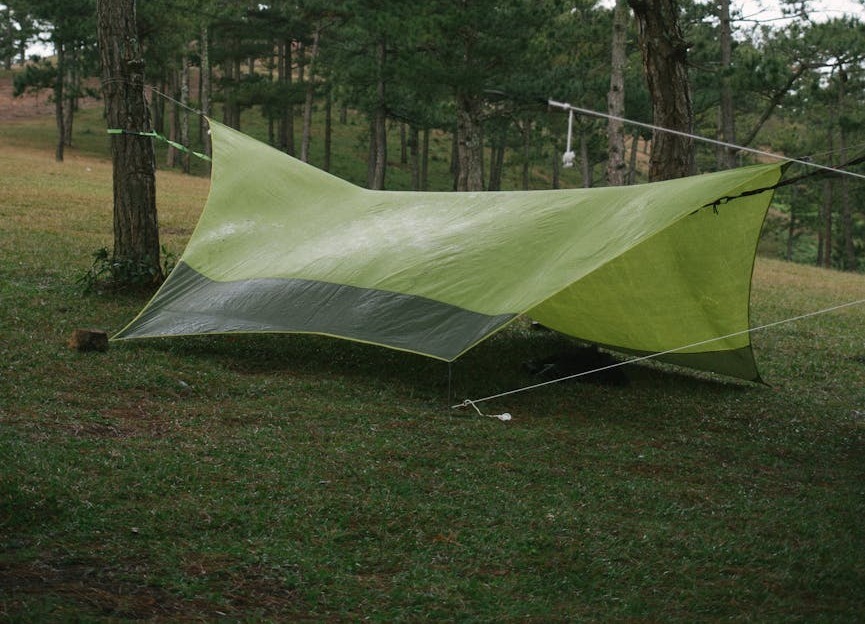
Use and repair the tarp, insulation, and suspension you already own when they remain safe. Dry gear completely before storage, clean it according to the maker’s instructions, and replace individual failed components instead of the whole system.
A hammock body alone is not an overnight shelter. Add only the weather protection and insulation your actual conditions require; unnecessary duplicate gear adds cost, weight, and material impact.
Products and Claims We Can Defend
The Kammok Roo Single and Roo Double are the clearest recycled-fabric examples we found. Kammok specifies 100% recycled, bluesign®-approved nylon for the hammock and stuff sack, publishes exact dimensions and weight limits, and backs the products with a lifetime guarantee. Those are specific claims—not proof of zero impact.
Mike’s Grand Trunk Nano 7 is our owned-and-used lightweight reference. Its value here is continued service and firsthand experience, not a recycled-material claim. ENO separately publishes a product-recycling program, but that brand-level program does not make every ENO hammock recycled.
How Wanderlust Checks Environmental Claims
We identify whether a statement comes from a manufacturer, certification, land-management authority, or Mike’s field experience. We verify the exact model and component when possible, state what remains unknown, and correct the guide when specifications change.
Sources, Experience and Disclosure
Reviewed for claim accuracy on August 15, 2026. Product specifications and land-manager rules can change, so confirm current details before buying or traveling. Mike’s Grand Trunk Nano 7 experience is firsthand; other product statements are attributed manufacturer specifications. This site is reader-supported. When you buy through links on our site, we may earn an affiliate commission. As an Amazon Associate, I earn from qualifying purchases.